Blogs
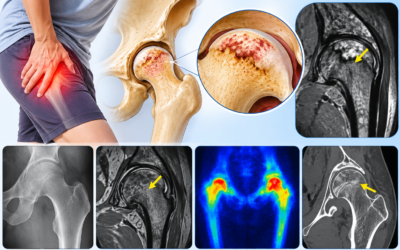
What Is Imaging for Avascular Necrosis and How Is It Diagnosed Early?
Imaging plays a crucial role in the early diagnosis of avascular necrosis (AVN), a condition in which reduced blood supply causes bone tissue to deteriorate. Early detection is essential to prevent bone collapse and preserve joint function. MRI is the most sensitive imaging technique for identifying AVN in its early stages, often before changes appear on X-rays. Other imaging methods, including CT scans, X-rays, and bone scans, help assess disease progression and guide treatment decisions. Timely imaging enables appropriate intervention and improves the chances of preserving the affected joint.

Is Recombinant TSH Safe and Effective? Benefits, Risks and Clinical Use
Preparing for radioactive iodine treatment can raise questions about stopping thyroid tablets and...
Should You Get a Second Opinion for a PET CT Scan?
An unclear or unexpected PET CT result can leave patients wondering what it means for their care....
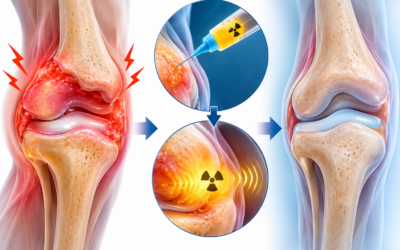
What Is Radiosynovectomy and How Does It Relieve Joint Pain?
Radiosynovectomy is a minimally invasive treatment designed to relieve joint pain and inflammation, particularly in conditions such as rheumatoid arthritis and chronic synovitis. The procedure involves injecting a small amount of radioactive medicine directly into the affected joint, where it targets the inflamed synovial membrane. By reducing inflammation and swelling, radiosynovectomy can help alleviate pain, improve joint function, and enhance quality of life.
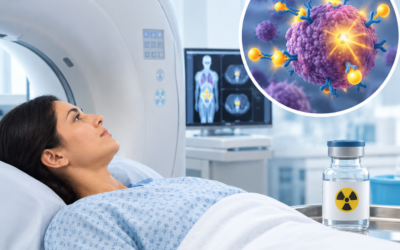
What Is Lu-177 DOTATATE Therapy and Who Needs It?
Lu-177 DOTATATE therapy is a targeted radionuclide treatment used for certain neuroendocrine tumours. Learn how it works, who may benefit, the role of diagnostic scans, potential side effects, and what patients can expect during treatment.
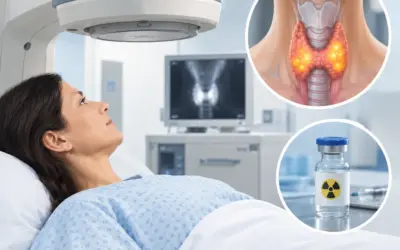
What Is I-131 Radioactive Iodine Therapy for Thyroid Cancer?
I-131 radioactive iodine therapy is used to destroy remaining thyroid cells after surgery and treat certain types of thyroid cancer. Learn how this treatment works, who may need it, what to expect during therapy, and the possible side effects and precautions.

What Are the Side Effects of Lu-177 PSMA Therapy?
Lu-177 PSMA therapy is a targeted treatment for advanced prostate cancer, but it can cause side effects such as fatigue, dry mouth, nausea and changes in blood cell counts. Learn about the common and serious side effects, why they occur, and how patients can manage them with proper monitoring and medical care.
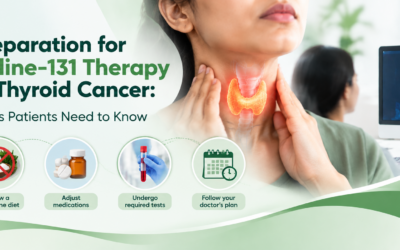
Preparation for Iodine-131 Therapy in Thyroid Cancer
Successful Iodine-131 Therapy in Thyroid Cancer depends not only on the treatment dose but also on...
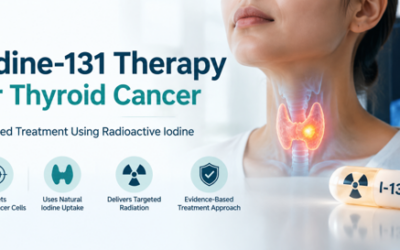
Iodine-131 Therapy for Thyroid Cancer
Thyroid cancer treatment needs more than just removing tumours since it also requires identifying...