
MIBG Therapy
Understanding MIBG Therapy
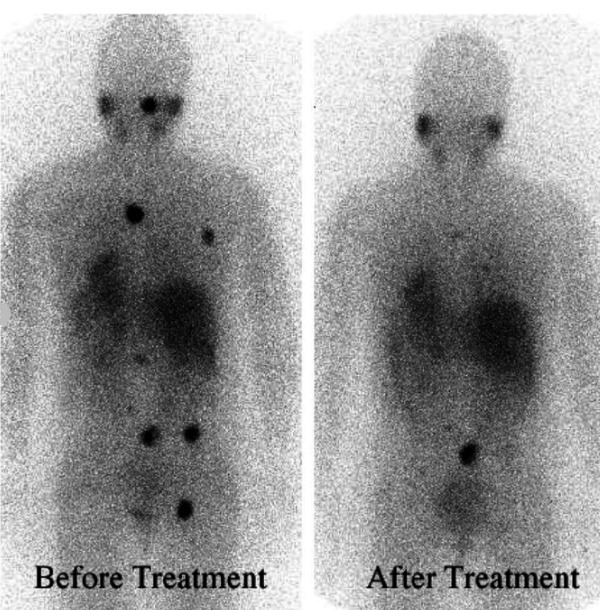
MIBG Therapy (Metaiodobenzylguanidine Therapy) is a form of targeted molecular radiotherapy used primarily for neuroendocrine tumors that express norepinephrine transporters. The therapy involves administering radioactive iodine–labeled MIBG (I-131 MIBG), which selectively accumulates in tumor cells, delivering localized radiation. This targeted mechanism allows for higher therapeutic doses to the cancerous tissue while minimizing exposure to surrounding organs, making it a pivotal treatment option for metastatic pheochromocytoma, paraganglioma, and select pediatric tumors, including neuroblastoma.
How MIBG Works at the Cellular Level
MIBG mimics norepinephrine and is actively taken up by neuroendocrine tumor cells through specific transporter pathways. Once internalized, the attached radioactive isotope emits beta radiation that induces DNA damage and apoptotic cell death. The selective uptake, combined with predictable biodistribution, allows clinicians to tailor dosing based on tumor burden, renal function, and hematologic reserve. Advances in imaging and dosimetry have further refined the therapy, improving safety and maximizing therapeutic efficacy.
Clinical Evidence and Therapeutic Outcomes
Multiple clinical trials and long-term cohort studies demonstrate the efficacy of I-131 MIBG Therapy in reducing tumor symptoms, shrinking disease volume, and improving quality of life. Response rates vary by tumor type, with notable pain reduction, improved blood pressure control in catecholamine-secreting tumors, and measurable tumor regression in pediatric neuroblastoma. Modern protocols emphasize personalized dosimetry, enabling higher therapeutic doses with lower toxicity. Hematologic suppression remains the most common side effect, but is generally manageable with current supportive care strategies.

Indications for MIBG Therapy
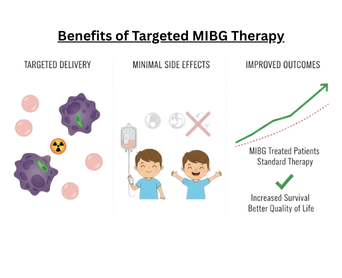
Benefits of Targeted MIBG Therapy

Safety Profile and Patient Preparation
Why Choose Us

Our Expert Doctors

Dr. Gayana Shankaramurthy
