
TARE (Transarterial Radioembolization)
Selective intra-arterial radiation delivering high-dose tumor therapy while preserving healthy liver tissue
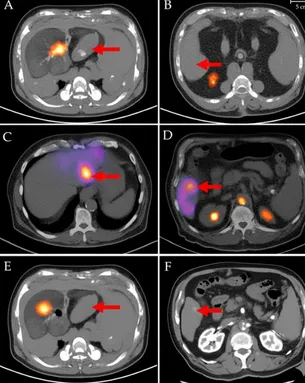
TARE: Targeted Radiation Therapy Delivered Through the Liver’s Blood Supply
Transarterial Radioembolization (TARE) is a minimally invasive treatment in which radioactive microspheres (Y-90) are delivered directly into the arteries supplying liver tumors. This technique allows concentrated internal radiation to be deposited within the tumor while sparing healthy liver tissue. By combining the principles of embolization and radiotherapy, TARE offers effective control for primary liver cancer and metastatic liver lesions that are not amenable to surgery or ablation.
Precision Treatment for Hepatocellular Carcinoma and Liver-Dominant Tumors
TARE is particularly effective for Hepatocellular Carcinoma (HCC), especially in patients with preserved liver function but inoperable disease. It provides sustained tumor necrosis, reduces tumor size, and may serve as a bridge to liver transplantation. In metastatic cancers—such as colorectal cancer, neuroendocrine tumors, and cholangiocarcinoma—TARE helps control liver-dominant disease and improves survival outcomes. Its targeted approach reduces systemic toxicity compared to chemotherapy.
Minimally Invasive, Personalized Therapy With Proven Clinical Outcomes
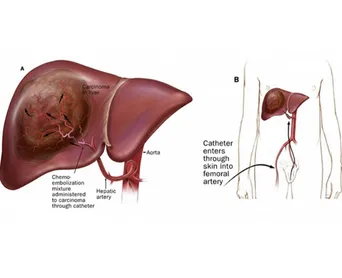
TARE is performed through a catheter-based approach, resulting in minimal discomfort and rapid recovery. Each treatment is customised after a detailed mapping angiogram to evaluate blood flow and prevent non-target radiation. Clinical studies demonstrate high response rates, improved quality of life, and long-term disease control in selected patients. The therapy is well tolerated, making it suitable even for patients who have exhausted other treatment options.
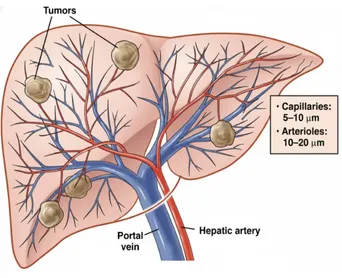
How TARE Works: Precision Radiation From Within the Tumor
Internal radiotherapy using Y-90 microspheres that deliver targeted, high-dose tumor irradiation
Administers radioactive microspheres directly into tumor-feeding arteries
Causes gradual tumor necrosis while maintaining overall hepatic function
Effective even in lesions close to vital structures
Clinical Indications for TARE
Suitable for primary liver cancers and metastatic tumors confined predominantly to the liver
Hepatocellular carcinoma (early, intermediate, and advanced stages)
Liver metastases from colorectal, neuroendocrine, breast, and pancreatic cancers
Cholangiocarcinoma with liver-dominant disease
Patients unsuitable for surgery, ablation, or transarterial chemoembolization (TACE)
Bridge-to-transplant or downstaging therapy in eligible HCC patients
Control of bulky or multifocal liver tumors
Advantages & Clinical Benefits of TARE
Minimally invasive, well-tolerated therapy offering durable tumor control and survival benefits
Outpatient or short-stay procedure with rapid recovery
Lower systemic toxicity than chemotherapy
Can be used in patients with portal vein thrombosis
Leads to significant tumor shrinkage and disease stabilization
Improves quality of life and symptom control
Compatible with systemic therapies including immunotherapy and targeted agents
Allows repeat treatment if needed
Why Choose Us
Excellence in Advanced Nuclear Medicine, Precision Imaging, and Targeted Therapies
Precision-driven nuclear imaging ensuring unmatched diagnostic clarity and confidence
Advanced theranostics delivering targeted, personalized cancer treatment solutions
Expert-led clinical care prioritizing safety, accuracy, and patient well-being
Comprehensive services covering oncology, cardiology, and functional imaging needs
Decades of experience supported by global research, leadership, and innovation

Our Expert Doctors

Dr. Gayana Shankaramurthy
