I-131 Therapy in Thyroid Cancer

Personalized radioactive iodine therapy for differentiated thyroid cancers

Iodine-131 Therapy for Differentiated Thyroid Cancer

Iodine-131 (I-131) therapy is a highly effective and well-established treatment for patients with differentiated thyroid cancer (DTC), including papillary and follicular thyroid carcinoma. At our center, I-131 therapy is delivered using a personalized, risk-adapted approach, ensuring that each patient receives the most appropriate treatment based on their disease profile.
Risk-Based Treatment Approach

Following thyroid surgery, patients are carefully evaluated and categorized into low-risk, intermediate-risk, or high-risk groups. This stratification is based on

    Histopathological findings (tumor size, extrathyroidal extension, lymph node involvement, vascular invasion)
    Serum thyroglobulin (Tg) levels
    Serum anti-thyroglobulin antibodies
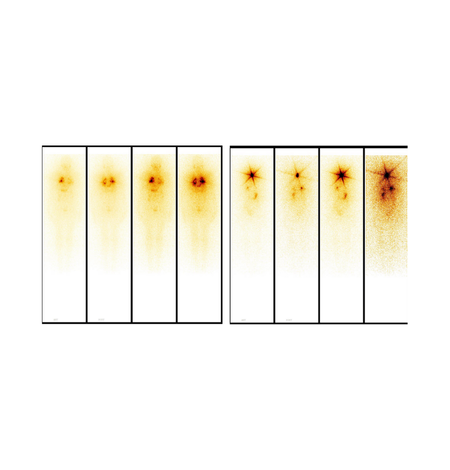
    Diagnostic I-131 scan when required
    USG neck
    This risk classification helps determine: Whether I-131 therapy is required, The appropriate activity (dose) of I-131, The intensity of follow-up and surveillance

    I-131 Therapy Tailored to Disease Stage
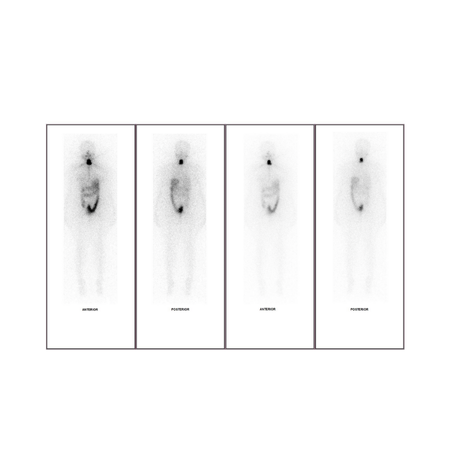
    Patients are risk categorised based on hitopathological variant of tumor, extent of tumor in thyroid, extrathyroid involvement, lymph node involvement and distant metastasis

    Low-risk patients
    Intermediate-risk patients
    High-risk patients
    Each treatment plan is individualized, balancing maximum therapeutic benefit with patient safety

    Patient Preparation Before Iodine-131 Therapy

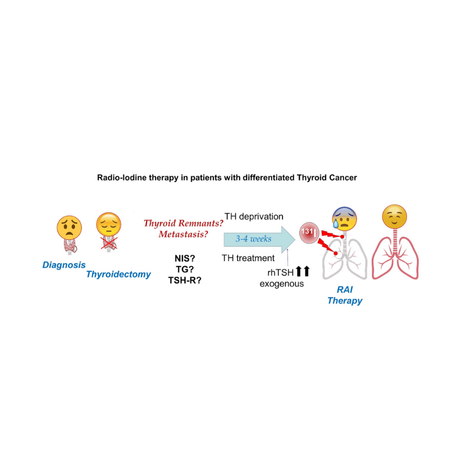
    Effective Iodine-131 therapy requires adequate stimulation of thyroid-stimulating hormone (TSH) to maximize radioiodine uptake by thyroid cells or residual disease. This can be achieved by two well-established preparation methods, chosen based on disease risk, patient suitability, and clinical indication.

      Thyroxine Withdrawal- In this traditional approach, thyroxine is temporarily stopped for a few weeks (typically 3 to 4 weeks) prior to therapy, allowing the body’s natural TSH levels to rise.
      Leads to high endogenous TSH levels, May cause short-term hypothyroid symptoms such as fatigue, weight gain, or low mood, Often preferred in high-risk disease or metastatic cases, where prolonged TSH elevation may be beneficial
      Recombinant Human TSH (rhTSH) Method: This modern method uses recombinant TSH injections while the patient continues thyroxine therapy, Avoids hypothyroid symptoms, Maintains quality of life and daily functioning, Commonly used in low- and selected intermediate-risk patients, especially for remnant ablation or follow-up therapy
      Personalized Approach: The choice between thyroxine withdrawal and recombinant TSH is individualized, taking into account: Disease stage and risk category, Serum thyroglobulin levels, Patient comorbidities and lifestyle consideration.
      Our goal is to ensure optimal treatment effectiveness while prioritizing patient comfort and safety

      Dynamic Risk Assessment & Follow-Up

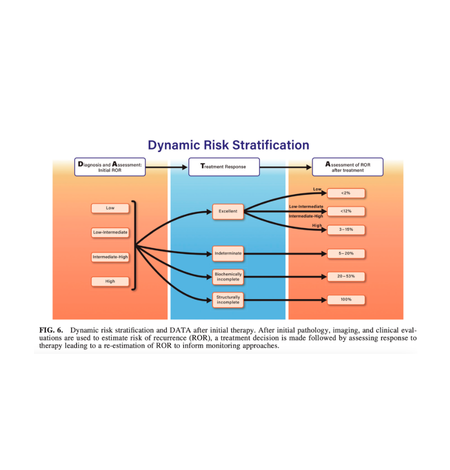
      Post-therapy follow-up is not static. We employ dynamic risk stratification, continuously reassessing patients based on their response to treatment, rather than relying solely on initial staging

      Follow-up includes: Biochemical assessment, Serum thyroglobulin and anti-thyroglobulin antibody levels, Anatomical and functional imaging, Ultrasound, diagnostic whole-body scans, and PET/CT when indicated
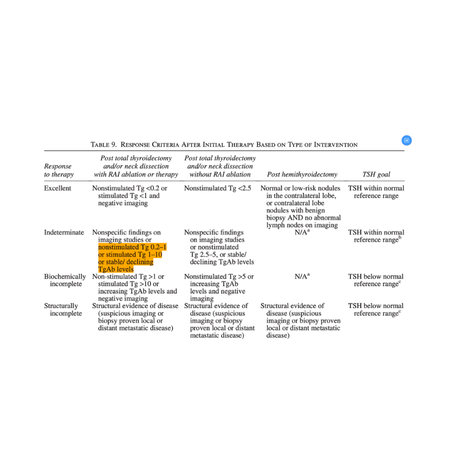
      Based on these findings, patients are categorized as having: Excellent response, Biochemical incomplete response, Structural incomplete response, Indeterminate response

      Management of radio-iodine–refractory differentiated thyroid cancer (RAIR-DTC)

      Radio-iodine–refractory differentiated thyroid cancer (RAIR-DTC) is managed with a combination of systemic therapy, local control measures, and supportive care. Management is individualized based on disease burden, rate of progression, symptoms, and molecular profile.

      Confirming Radio-iodine Refractoriness -A thyroid cancer is considered RAI-refractory if one or more apply: No RAI uptake on diagnostic or post-therapy scans, Disease progression despite RAI uptake, Mixed uptake (some lesions avid, others not), Cumulative RAI dose with no meaningful response
      Active Surveillance (Selected Patients)- Appropriate for asymptomatic, slowly progressive disease, Regular imaging and thyroglobulin monitoring, Delay systemic therapy until progression or symptoms
      Local Therapies (For Oligoprogression or Symptom Control)-Surgery (isolated or threatening lesions), External beam radiotherapy, Stereotactic body radiotherapy (SBRT), Thermal ablation (RFA, cryoablation), Embolization for bone or liver metastases
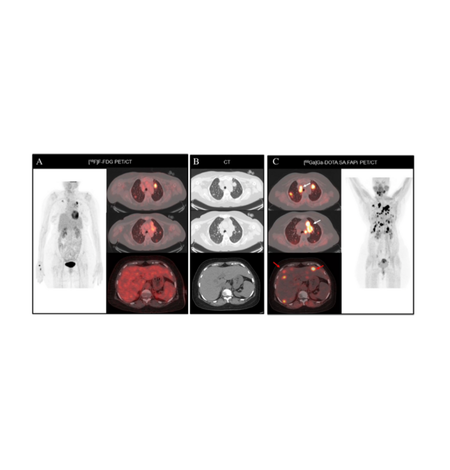
      Systemic Therapy Multikinase Inhibitors (Standard First-Line): Lenvatinib (preferred first-line), Sorafenib Targeted therapy: Dabrafenib ± Trametinib for BRAF V600E, Re-differentiation therapy, Theranostics: LU-177 FAPi therapy, Lu-177 DOTATATE therapy (based on tracer avidity)

      Our Expert Doctors

      About Doctor

      Dr. Gayana Shankaramurthy

      Nuclear Medicine and Theranostics Expert
      author avatar
      intcare18