
Radiosynovectomy
Minimally invasive radionuclide synovial ablation providing long-lasting relief in chronic inflammatory and degenerative joint disorders
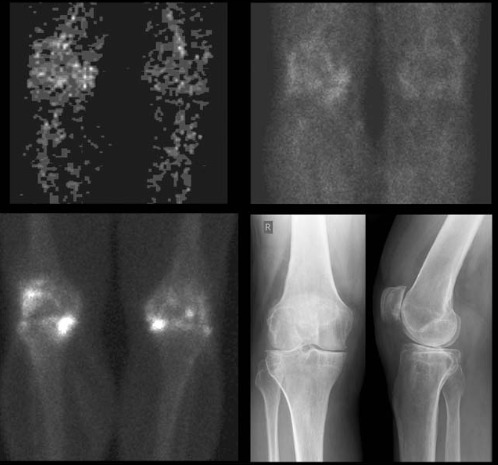
What Is Radiosynovectomy?
Radiosynovectomy (RSV), also known as radionuclide synovectomy, is a minimally invasive nuclear medicine therapy used to treat chronic inflammatory joint disorders. It involves the intra-articular injection of beta-emitting radiopharmaceuticals—such as Yttrium-90, Rhenium-186, or Erbium-169—to selectively ablate the diseased synovial membrane. By targeting synovial hyperplasia and inflammation at the molecular level, RSV provides long-term symptom relief, reduces joint effusion, and improves functional mobility in patients who have not responded to conventional therapies.
How Radiosynovectomy Works
Radiosynovectomy delivers targeted radiation directly to the inflamed synovium, causing controlled fibrosis and reduction of synovial tissue over several weeks. The therapeutic effect arises from the short tissue penetration of beta particles, ensuring localized action without damaging surrounding cartilage or bone. Because the radiopharmaceutical remains confined within the joint space due to particle size and colloid formulation, RSV offers a high safety margin while effectively controlling inflammation and preventing recurrent joint swelling.
Evidence-Based Effectiveness in Joint Disease
Clinical studies have demonstrated significant improvements in pain, swelling, and joint mobility following RSV, particularly in rheumatoid arthritis, hemophilic arthropathy, and chronic synovitis after joint surgery. Long-term data show sustained remission in up to 70–80% of treated joints, with the greatest benefit seen when performed early in the disease course. Radiosynovectomy is especially valuable for patients who are poor surgical candidates, providing a safe, outpatient-based therapy that can delay or reduce the need for synovial surgery or joint replacement.
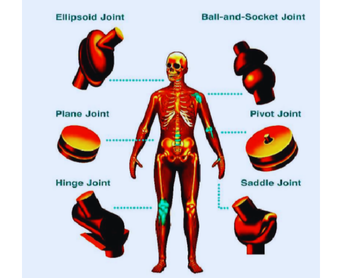
Key Indications for Radiosynovectomy
When RSV is clinically appropriate
Chronic synovitis unresponsive to medical therapy
Rheumatoid arthritis with persistent joint effusion
Hemophilic arthropathy with recurrent bleeding episodes
Osteoarthritis with secondary inflammatory synovitis
Synovitis following arthroscopy or joint trauma
Juvenile idiopathic arthritis (select cases)
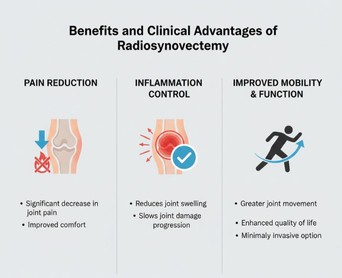
Benefits and Clinical Advantages
Proven therapeutic outcomes
Minimally invasive outpatient procedure
Direct, localized treatment of the inflamed synovium
Significant reduction in pain, swelling, and stiffness
Decreased frequency of hemarthroses in hemophilia patients
Short recovery time and quick return to daily activities
Can be safely repeated if clinically necessary
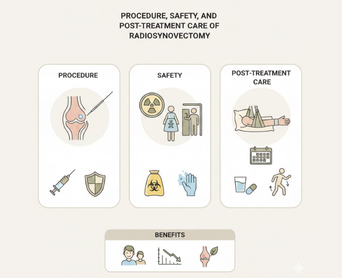
Procedure, Safety, and Post-Treatment Care
Ensuring accurate delivery and optimal outcomes
Performed under aseptic conditions with imaging guidance (US/fluoroscopy)
Involves intra-articular injection of beta-emitting radiocolloids
Monitoring for mild, transient post-injection discomfort
Follow-up assessments to track joint response and mobility
Why Choose Us
Excellence in Advanced Nuclear Medicine, Precision Imaging, and Targeted Therapies
Precision-driven nuclear imaging ensuring unmatched diagnostic clarity and confidence
Advanced theranostics delivering targeted, personalized cancer treatment solutions
Expert-led clinical care prioritizing safety, accuracy, and patient well-being
Comprehensive services covering oncology, cardiology, and functional imaging needs
Decades of experience supported by global research, leadership, and innovation

Our Expert Doctors

Dr. Gayana Shankaramurthy
