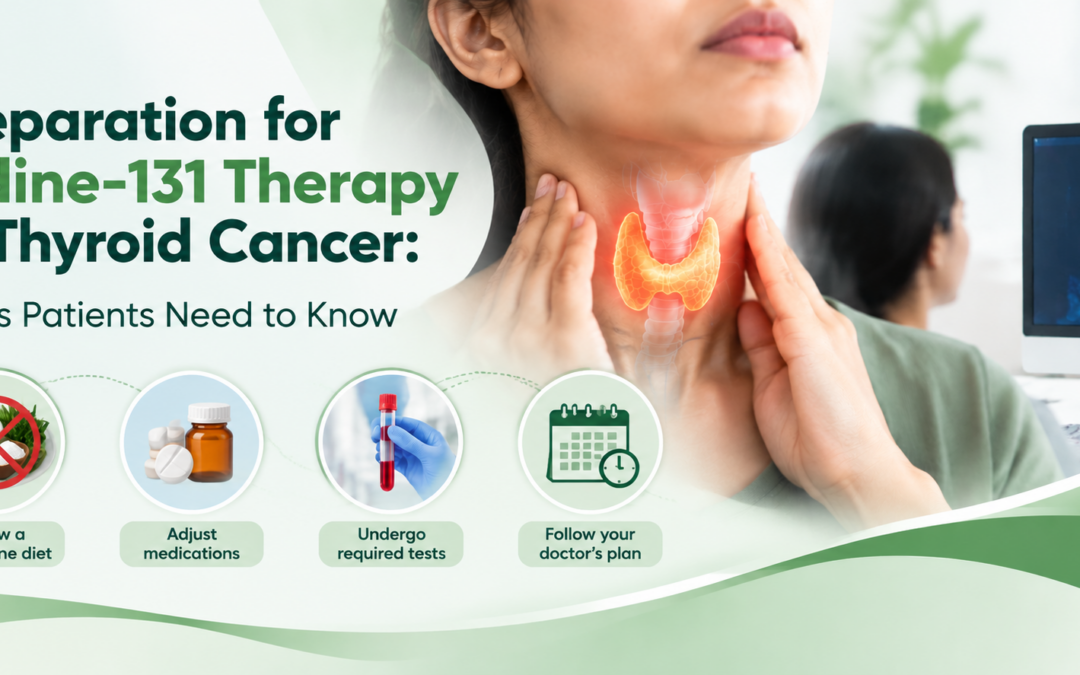
Successful Iodine-131 Therapy in Thyroid Cancer depends not only on the treatment dose but also on careful preparation before therapy. The goal is to improve radioactive iodine uptake by thyroid cancer cells, enabling targeted treatment. Preparation usually involves steps such as following a low-iodine diet, achieving adequate TSH stimulation, reviewing medical history and completing required tests. These measures help the nuclear medicine team plan therapy safely and appropriately.
According to Dr. Gayana Shankaramurthy, an esteemed Nuclear Medicine & Theranostics Specialist in Bangalore, “Preparation plays an important role in radioiodine therapy because it improves iodine uptake by target cells. A personalised approach helps ensure that treatment planning is based on the patient’s disease characteristics and overall health.”
At World of Theranostics, Dr. Gayana Shankaramurthy provides specialised nuclear medicine care, including Iodine-131 therapy for thyroid cancer, molecular imaging and targeted radionuclide treatments. Her approach combines advanced technology with evidence-based planning to support personalised thyroid cancer care.
How can preparation improve the effectiveness of radioactive iodine treatment? Let’s explore the steps that support better therapy planning.
Why Is Preparation Important Before Iodine-131 Therapy?
For Iodine-131 therapy in thyroid cancer, preparation helps increase ability of thyroid cancer cells to absorb radioactive iodine. Once the amount of iodine in the body is regulated and the TSH stimulation is achieved, the remaining thyroid tissue or iodine-avid cancer cells can take up I-131 effectively.
Preparation might help in:
* Increasing the uptake of radioactive iodine by target cells
* Assisting in treatment planning
* Reducing unnecessary iodine interference
* Ensuring the safety of the patient during therapy
It depends on the type of thyroid cancer, previous surgical history, and disease condition.
What Are the Key Steps Involved in Preparing for Radioactive Iodine Treatment?
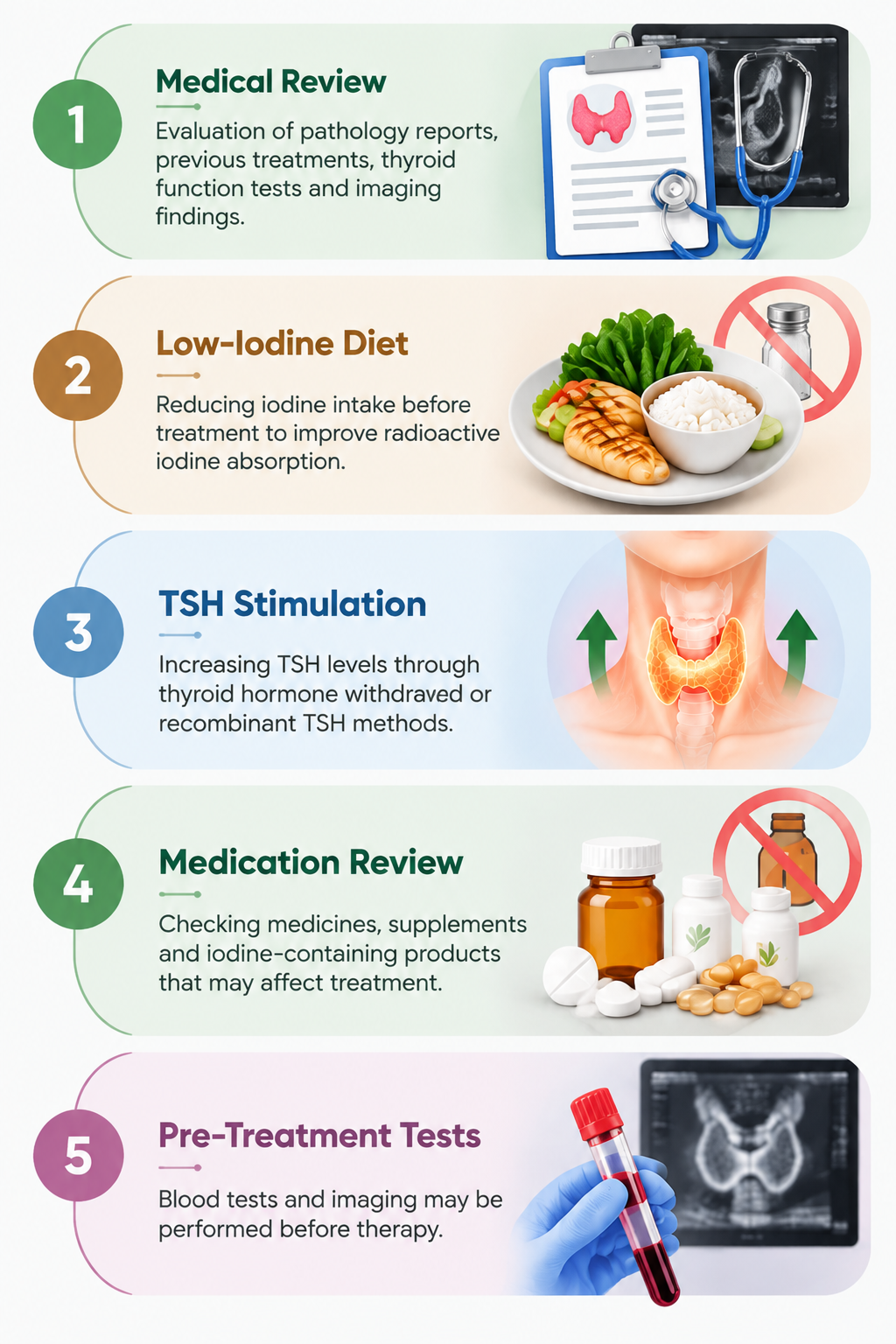
Preparation for radioactive iodine treatment generally includes:
A nuclear medicine physician reviews these factors to determine the most suitable preparation approach for each patient.
Understanding each step can make the treatment journey easier to manage. Connect with an expert to know your personalised preparation plan.
Can diet influence how well radioactive iodine works? Let’s discuss why iodine restriction is recommended before therapy.
Low-Iodine Diet Before Iodine-131 Therapy: How Does It Help Improve Treatment?
A low-iodine diet reduces the amount of iodine available in the body before treatment. This encourages thyroid cells and iodine-absorbing cancer cells to take up the administered radioactive iodine more effectively.
Patients may be advised to limit high-iodine foods such as:
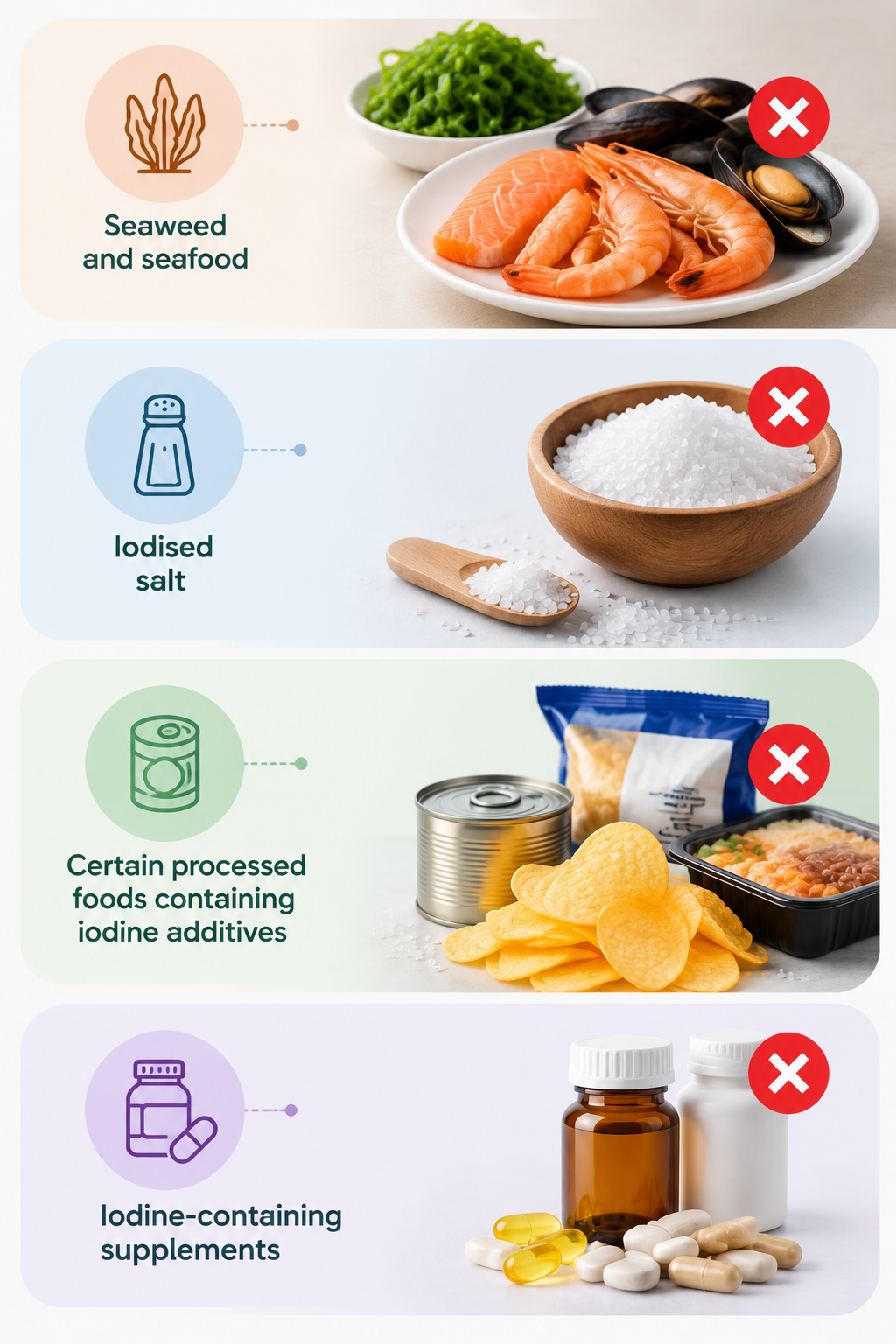
The duration of the diet is usually around 1–2 weeks before treatment, depending on the treatment protocol and specialist recommendation.
A low-iodine diet is different from a low-salt diet. Patients should follow only the instructions provided by their treatment team.
Why does TSH level matter before radioactive iodine treatment? Let’s explore its role in improving iodine uptake.
Which Types of Thyroid Cancer Can Be Treated with Iodine-131?
I-131 therapy is mainly used for differentiated thyroid cancers, including:
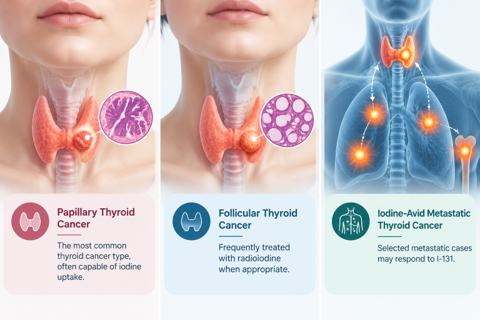
However, thyroid cancers that do not absorb iodine may require other treatment approaches, including targeted therapies or alternative radionuclide strategies.
Why does TSH level matter before radioactive iodine treatment? Let’s explore its role in improving iodine uptake.
TSH Stimulation Before Iodine-131 Therapy: Why Is It Required?
Thyroid-stimulating hormone (TSH) helps increase the expression and function of iodine transport mechanisms in thyroid cells. Higher TSH levels encourage remaining thyroid tissue or iodine-avid cancer cells to absorb radioactive iodine.
TSH stimulation may be achieved through:
- Temporary thyroid hormone withdrawal
- Recombinant human TSH (rhTSH) injections
The required TSH level and preparation method depend on the patient’s condition and treatment purpose.
Why are thyroid hormone medicines sometimes stopped before treatment? Let’s explore the reason behind this approach.
Thyroxine Withdrawal Before Radioactive Iodine Therapy: Process and Importance
Thyroxine withdrawal involves stopping thyroid hormone replacement medication for a stretch so TSH can rise naturally. Increased TSH stimulation helps thyroid cells absorb radioactive iodine more effectively.
During this period, some patients may experience temporary hypothyroid symptoms such as:
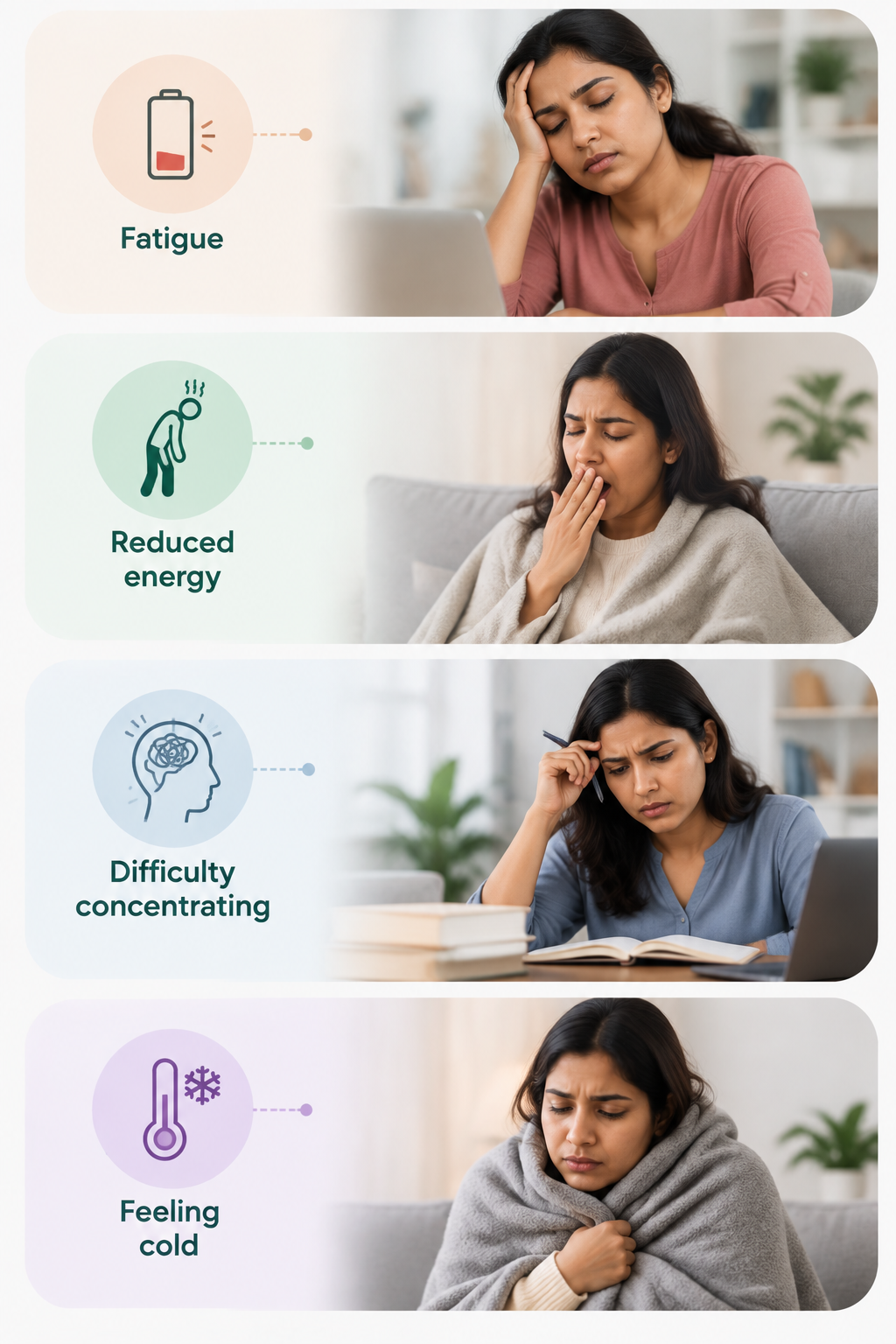
The duration and suitability of hormone withdrawal depend on individual patient factors. Doctors carefully assess whether this approach is appropriate.
Is there another way to prepare the body without stopping thyroid hormones? Let’s discover how rhTSH may help selected patients.
Recombinant TSH (rhTSH) Injection: An Alternative Method for TSH Stimulation
Recombinant human TSH (rhTSH) is a medication that stimulates thyroid cells without requiring prolonged thyroid hormone withdrawal.
Potential advantages include:
- Avoiding prolonged hypothyroid symptoms
- Maintaining thyroid hormone replacement
- Supporting better quality of life during preparation
However, rhTSH suitability depends on factors such as disease characteristics and treatment purpose. It may not be appropriate for every patient, especially certain cases requiring stronger endogenous stimulation.
Which preparation method is better suited for patients? Let’s discuss how doctors decide between these approaches.
Thyroxine Withdrawal vs rhTSH Injection: Which Preparation Approach Is Used?
Both methods aim to increase TSH levels before Iodine-131 therapy in thyroid cancer.
Thyroxine Withdrawal
- Allows natural TSH elevation
- May cause temporary hypothyroid symptoms
- Used in selected treatment situations
rhTSH Injection
- Avoids prolonged hormone withdrawal
- Helps maintain quality of life
- Used for selected patients based on clinical suitability
The final decision depends on disease status, treatment goals and overall patient health.
What Tests and Evaluations Are Done Before Iodine-131 Therapy?
Before therapy, doctors may assess:
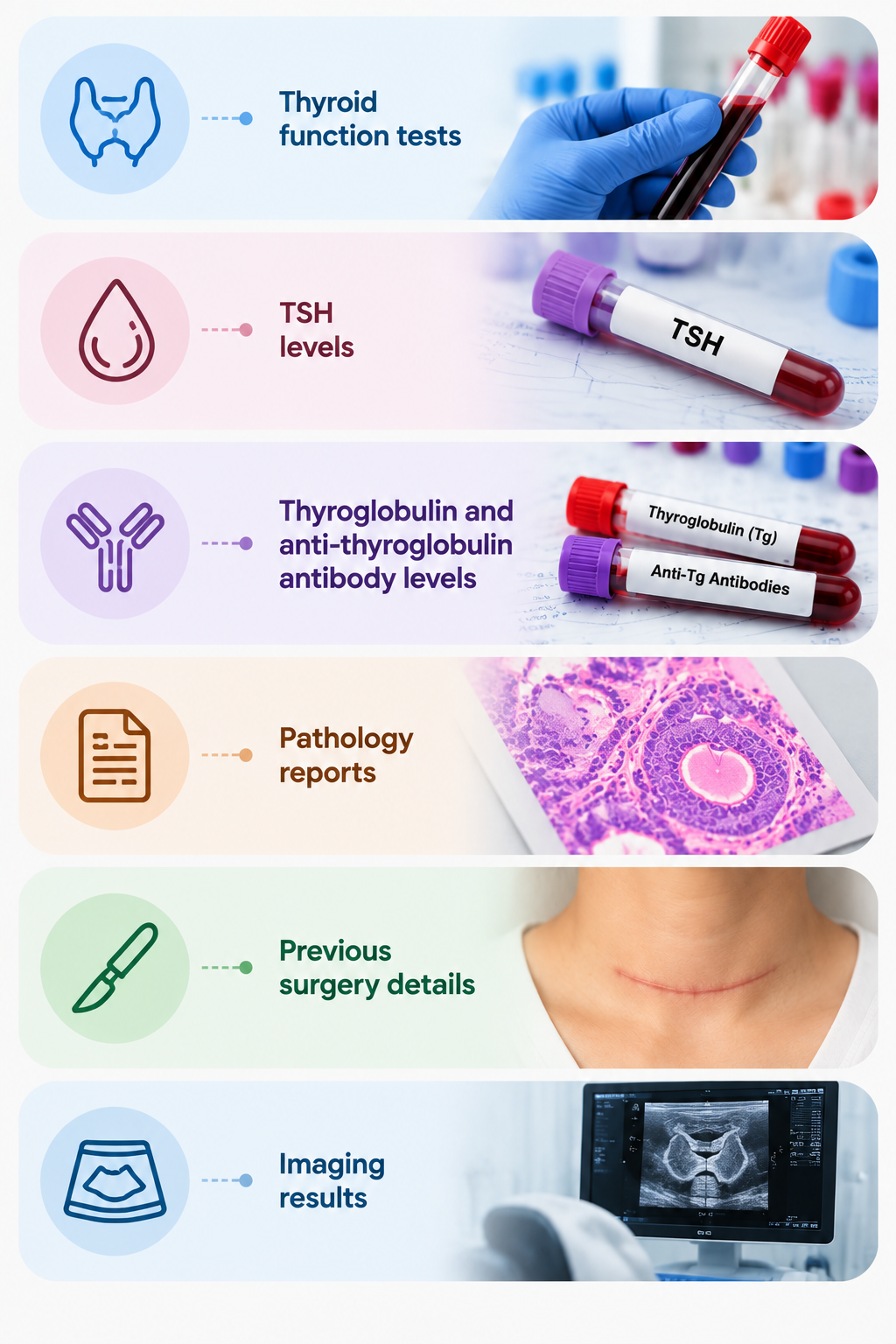
These evaluations help determine treatment suitability and create a personalised therapy plan.
What happens after preparation is complete? Let’s explore the next steps in the treatment journey.
After Preparation: What Patients Should Expect During Iodine-131 Treatment
Once preparation is completed, I-131 is administered orally as a capsule or liquid. The radioactive iodine travels through the body and concentrates in iodine-absorbing thyroid tissue or cancer cells.
Patients receive guidance regarding:
- Radiation safety precautions
- Hydration after treatment
- Follow-up appointments
- Post-treatment scans when required
The treatment pathway is monitored by the nuclear medicine team to ensure appropriate care and follow-up.
A clear understanding of the treatment process helps patients feel more prepared. Get in touch with a nuclear medicine expert for guidance throughout the therapy journey.
Frequently Asked Questions
1. Why is preparation needed before Iodine-131 therapy?
Because it improves how much radioactive iodine thyroid cells actually take up — which is what makes the treatment work well.
2. How long should I follow a low-iodine diet before I-131 therapy?
Usually around 1–2 weeks, though your specialist may adjust that for your case.
3. Can I eat normal salt during a low-iodine diet?
A low-iodine diet is not the same as a low-salt diet. Patients should follow specific iodine restriction instructions.
4. Why is TSH increased before radioactive iodine treatment?
Higher TSH levels help thyroid cells absorb radioactive iodine more effectively.
5. Do I have to stop thyroid hormone medicines before I-131 therapy?
Not always. Some patients may receive rhTSH injections instead of thyroid hormone withdrawal.
Reference links:
https://jnm.snmjournals.org/content/63/6/15N
Disclaimer: The information shared in this content is for educational purposes and not for promotional use.