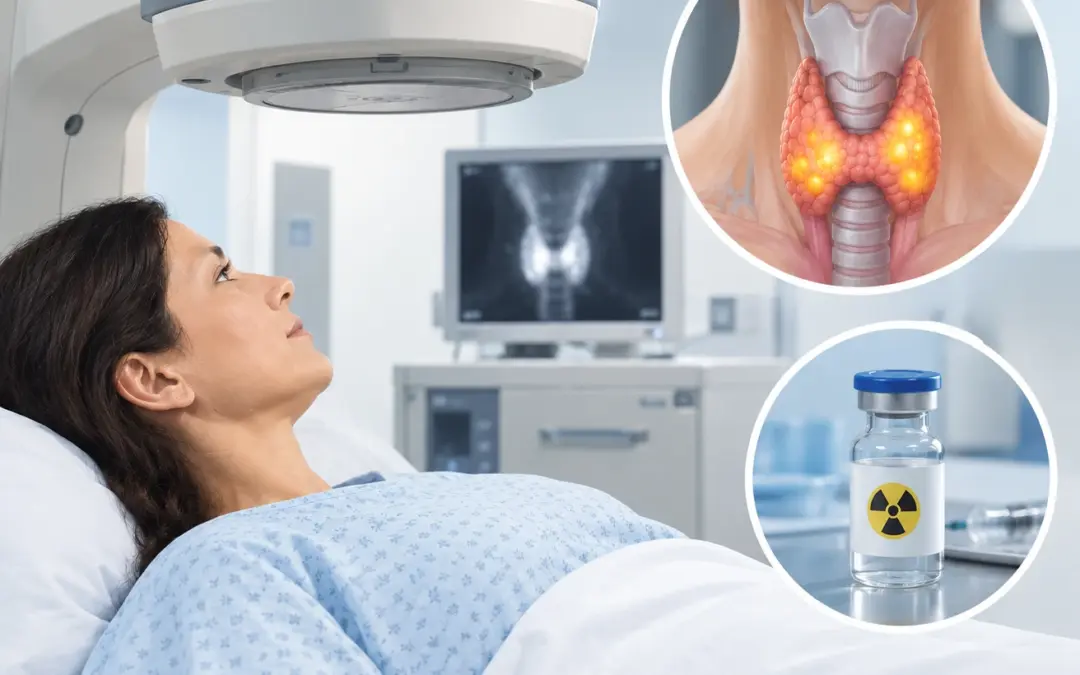
I-131 radioactive iodine therapy for thyroid cancer is a form of internal radiation. Most patients get it once surgery is done and the thyroid has been taken out. It works because thyroid cells take up iodine far more readily than any other part of the body. Whatever cells remain after surgery absorb it and are destroyed from the inside. Doctors rely on it mainly for the papillary and follicular types. Medullary and anaplastic cancers don’t take up iodine at all, so the treatment simply can’t reach them
According to Dr. Gayana Shankaramurthy,, a Nuclear Medicine Specialist in Bangalore at KIMS Hospitals, the treatment itself is relative simple. “A capsule or a small amount of liquid is all it takes. The low iodine diet beforehand and the precautions afterwards need far more planning,” she explains.
What Happens During Preparation and on the Day of I-131 Radioactive Iodine Therapy?
The treatment itself is over in a minute. The two weeks before it are the harder stretch.
|
Stage |
What happens |
What you may notice |
|
Preparation |
Low iodine diet for one to two weeks, with thyroid medicine adjusted to raise TSH |
Constipation, aches, poor concentration, tiredness, some weight gain |
|
Treatment day |
A capsule or liquid containing I-131 is swallowed |
Usually nothing |
|
Isolation |
A shielded hospital room, with the number of days set by the dose |
Mostly waiting, with limited contact |
Don’t underestimate the diet. Every centre hands out its own list, but iodised salt, seafood and dairy are usually the first to go. Iodine from food competes with the radioactive dose, and cutting it back helps cancer cells absorb more of what they’re given. The hormone changes are why many people feel flat and worn out in those weeks. How all of this fits into the wider plan is on the I-131 Therapy in Thyroid Cancer page.
Have concerns about I-131 therapy? Discuss your questions with a nuclear medicine specialist.
Which Side Effects Can Follow Radioactive Iodine Therapy, Early and Late?
Most radioactive iodine therapy side effects are mild, which is why reviews describe the treatment as well tolerated. A few show up in the first days. Others come on much later.
- Mouth and taste. The salivary glands pick up some of the iodine as well. They may swell up and feel sore. Dry mouth is common, and food may taste off for a while.
- Eyes. Eyes may feel dry and gritty, or water non-stop. Very occasionally a tear duct gets blocked.
- Neck and stomach. Expect some tenderness in the neck while the thyroid tissue reacts. Nausea or vomiting is possible.
- Blood and fertility. Blood counts may fall for a short time, and how much fertility is affected depends on the dose. Plan any pregnancy at least six months after treatment, and stop breastfeeding before it starts.
- Later effects. A few uncommon problems can appear much later, lung scarring and second cancers among them. The doctor sets that risk against the expected benefit for each patient before going ahead.
What Determines the I-131 Treatment Plan and the Dose a Person Receives?
I-131 radioactive iodine therapy is a treatment for thyroid cancer in which radioactive iodine is taken up by thyroid cells to destroy any that remain after surgery. The treating team starts with the type and stage of the cancer. Papillary and follicular types absorb iodine, which makes them the usual candidates. Once the surgery findings, blood tests and scans are in, the doctor fixes a dose, and that dose settles whether a hospital stay is needed. Before all that, diet and thyroid medicine are adjusted so the cancer cells take up as much iodine as they can.
Key Takeaways
- Most people receive I-131 after surgery, mainly for papillary or follicular thyroid cancer.
- Expect one to two weeks of preparation, with a low iodine diet and changes to thyroid medicine.
- Dry mouth, altered taste, eye trouble and a sore neck are the usual side effects.
- Safety rules at home run for about a week, though your hospital decides the specifics.
- Hold off on pregnancy for at least six months after treatment.
Frequently Asked Questions
Is I-131 therapy painful?
No. It’s swallowed as a capsule or liquid, so there’s no injection.
How many days do I have to stay isolated after I-131 therapy?
That depends on the dose. Some people stay in hospital for several days.
Do radioactive iodine therapy side effects last?
Most are short term. A dry mouth or eye trouble may hang around longer for some.
Can I-131 therapy treat every type of thyroid cancer?
No. Only the papillary and follicular types respond, not medullary or anaplastic.
References:
- Adverse effects of radioactive iodine-131 treatment for differentiated thyroid carcinoma. Nucl Med Commun. 2014;35(8):808-817. National Library of Medicine, NIH. https://pubmed.ncbi.nlm.nih.gov/24751702/
- Radioactive iodine therapy resource. NCBI Bookshelf, National Institutes of Health. https://www.ncbi.nlm.nih.gov/books/NBK580567/
Disclaimer:This blog is for educational purposes only and isn’t a substitute for professional medical advice.