
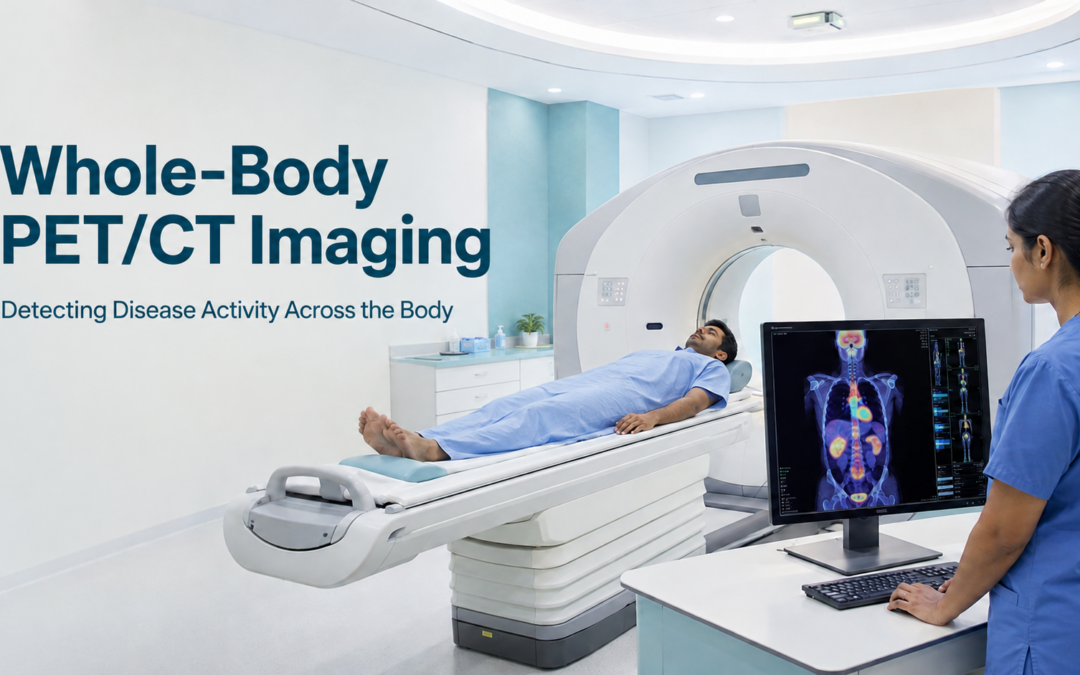
A whole-body PET scan detects unusual metabolic activity in tissues and organs, often before structural changes become visible on conventional imaging. It is commonly used to locate cancer, determine its spread, assess treatment response and check for possible recurrence. It may also help investigate selected infections, inflammatory disorders and changes in organ function.
PET is usually combined with CT to show both disease activity and its precise location. Dr. Gayana Shankaramurthy, a Nuclear Medicine and Theranostics Specialist in Bangalore at World of Theranostics, interprets PET/CT findings alongside symptoms, pathology results and previous scans to support accurate diagnosis and informed treatment planning.
How does a whole-body PET scan reveal changes that other imaging tests may miss? Let’s explore what the scan shows and how it supports diagnosis.
What Is a Whole-Body PET Scan?
A whole-body PET scan is a nuclear medicine imaging test that uses a small amount of radiotracer to map metabolic or molecular activity throughout the body. It is usually combined with CT, where PET shows how tissues are functioning and CT identifies the precise location of any abnormal activity.
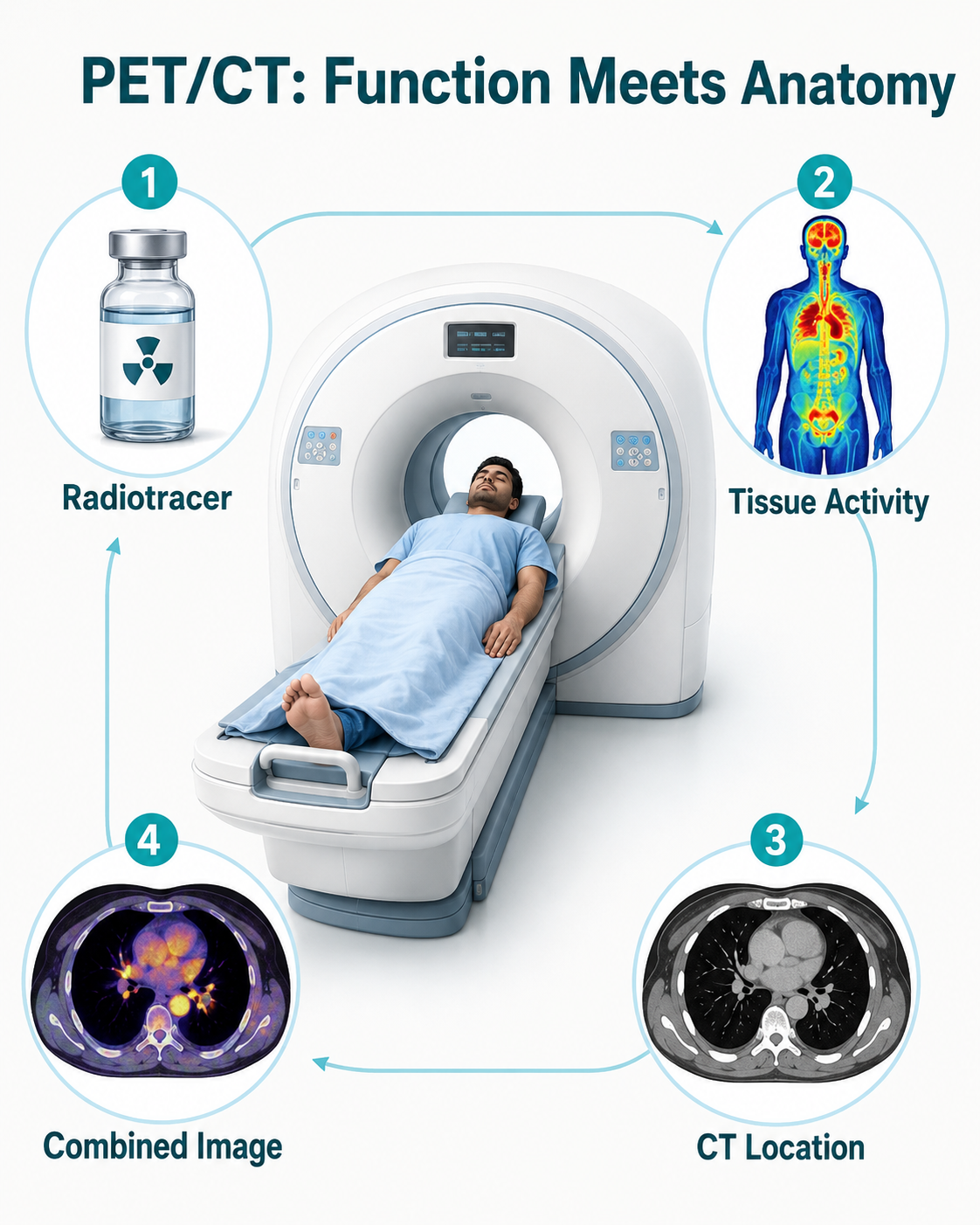
Most oncology PET/CT scans cover the area from the base of the skull to the upper thighs. The scanning range and radiotracer may vary according to the suspected condition and clinical purpose.
The right imaging test can provide valuable clarity about a medical condition. Connect with an expert to determine whether whole-body PET/CT is appropriate.
What happens during a whole-body PET scan? Let’s explore the process through a few simple steps.
How a Whole-Body PET Scan Works
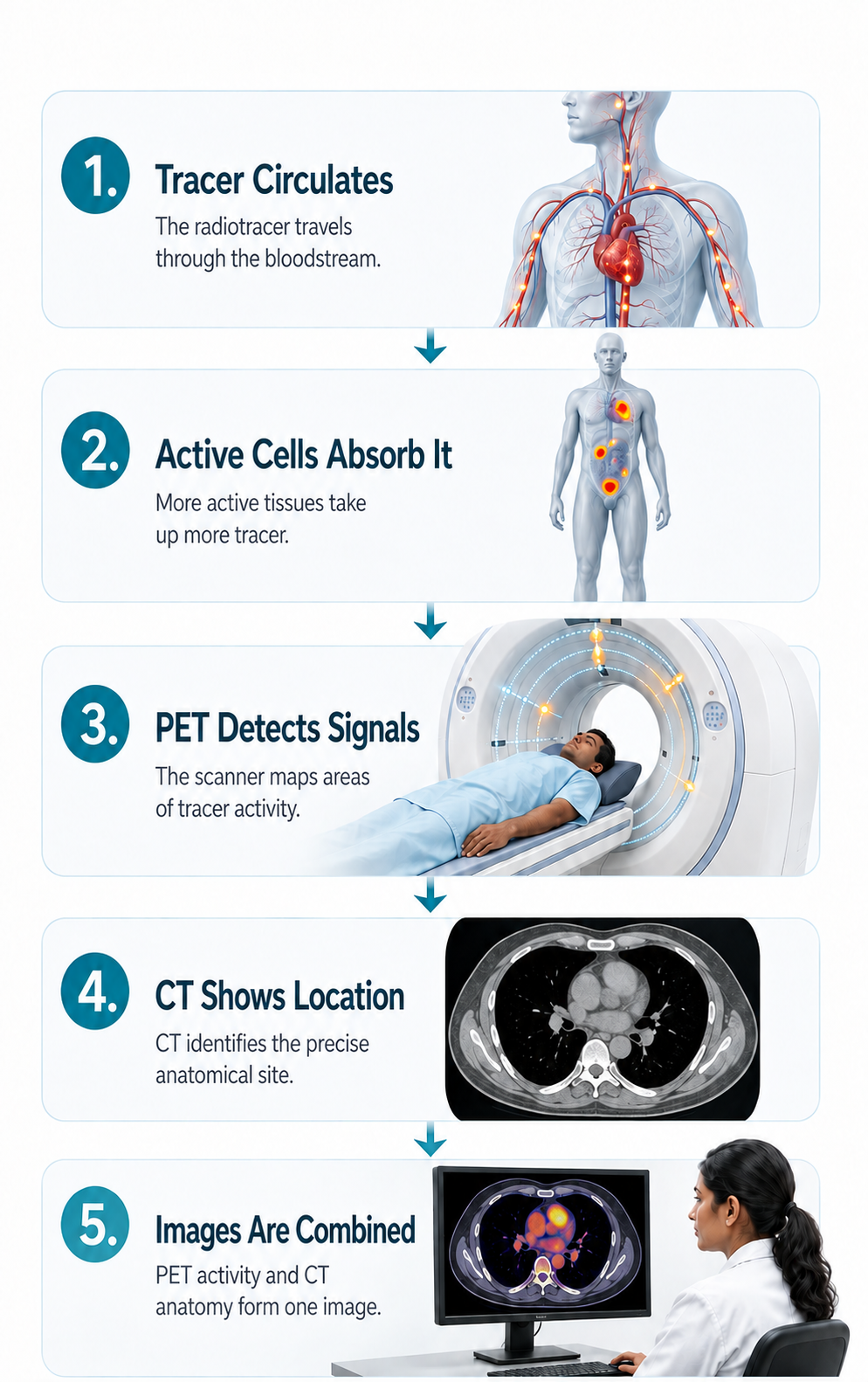
- Tracer Administration — A small dose of radiotracer is injected into a vein.
- Uptake Period — You rest quietly while it circulates and settles into different tissues.
- PET/CT Imaging — You lie on a table that slides through the scanner. PET picks up metabolic activity; CT nails down where exactly it’s happening.
- Image Processing — The two image sets get merged by computer into one detailed picture — activity layered on structure.
- Specialist Interpretation — A nuclear medicine physician goes over everything alongside prior scans, history, and other test results.
Which medical conditions can be evaluated through whole-body PET imaging? Let’s explore its role in assessing various conditions.
What Conditions and Diseases Can a Whole-Body PET Scan Detect?
Cancer
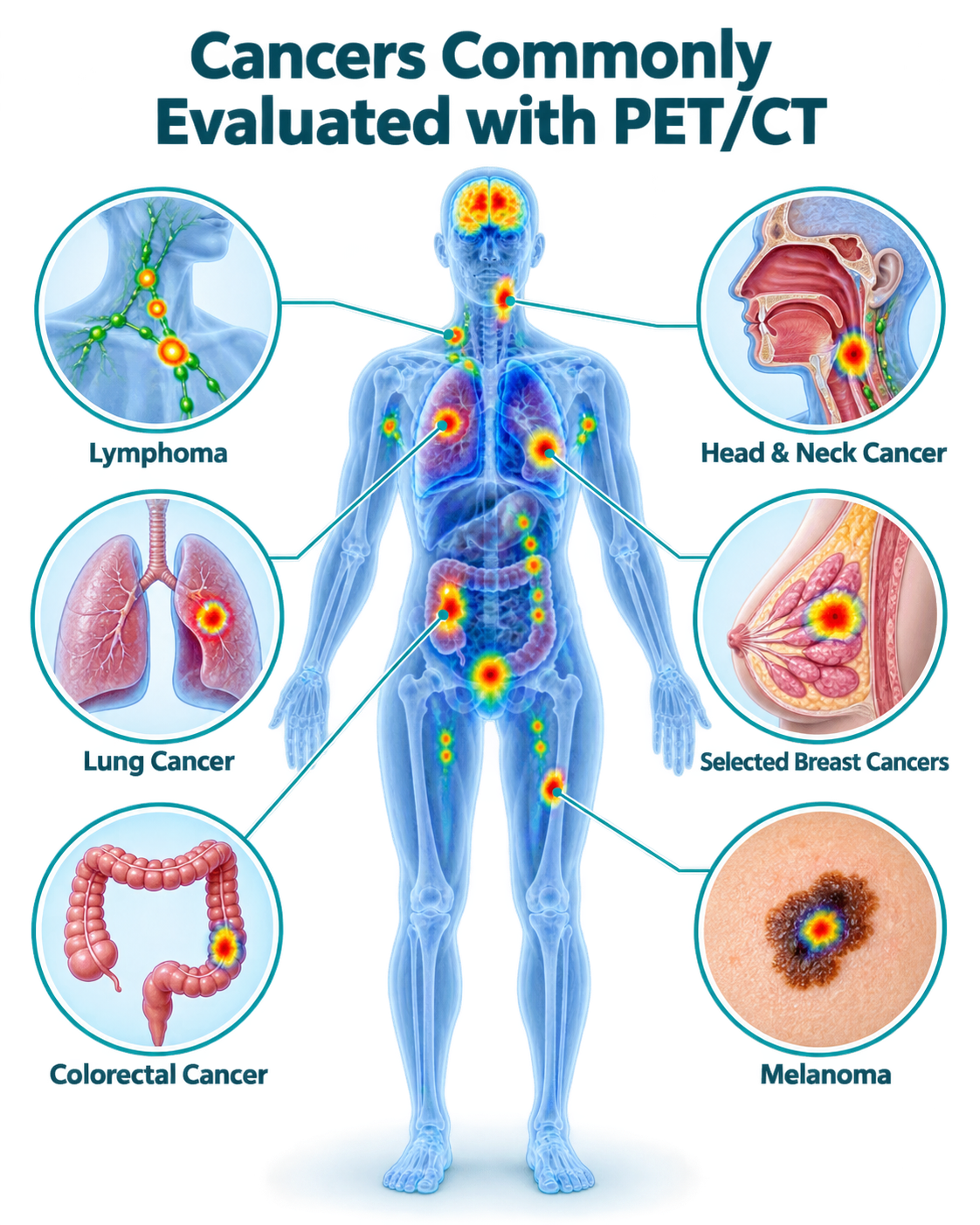
Depending on the tracer and clinical indication, PET/CT may help evaluate:
- Lymphoma
- Lung cancer
- Colorectal cancer
- Melanoma
- Head and neck cancer
- Oesophageal cancer
- Select breast and gynaecological cancers
- Bone and soft-tissue tumours
- Cancer with an unknown primary site
Here’s the catch — not every cancer takes up FDG well. Some need a completely different tracer. Prostate cancer, for instance, is usually worked up with PSMA PET/CT, while DOTATATE PET/CT is the one used for certain neuroendocrine tumours.
Infection and inflammation
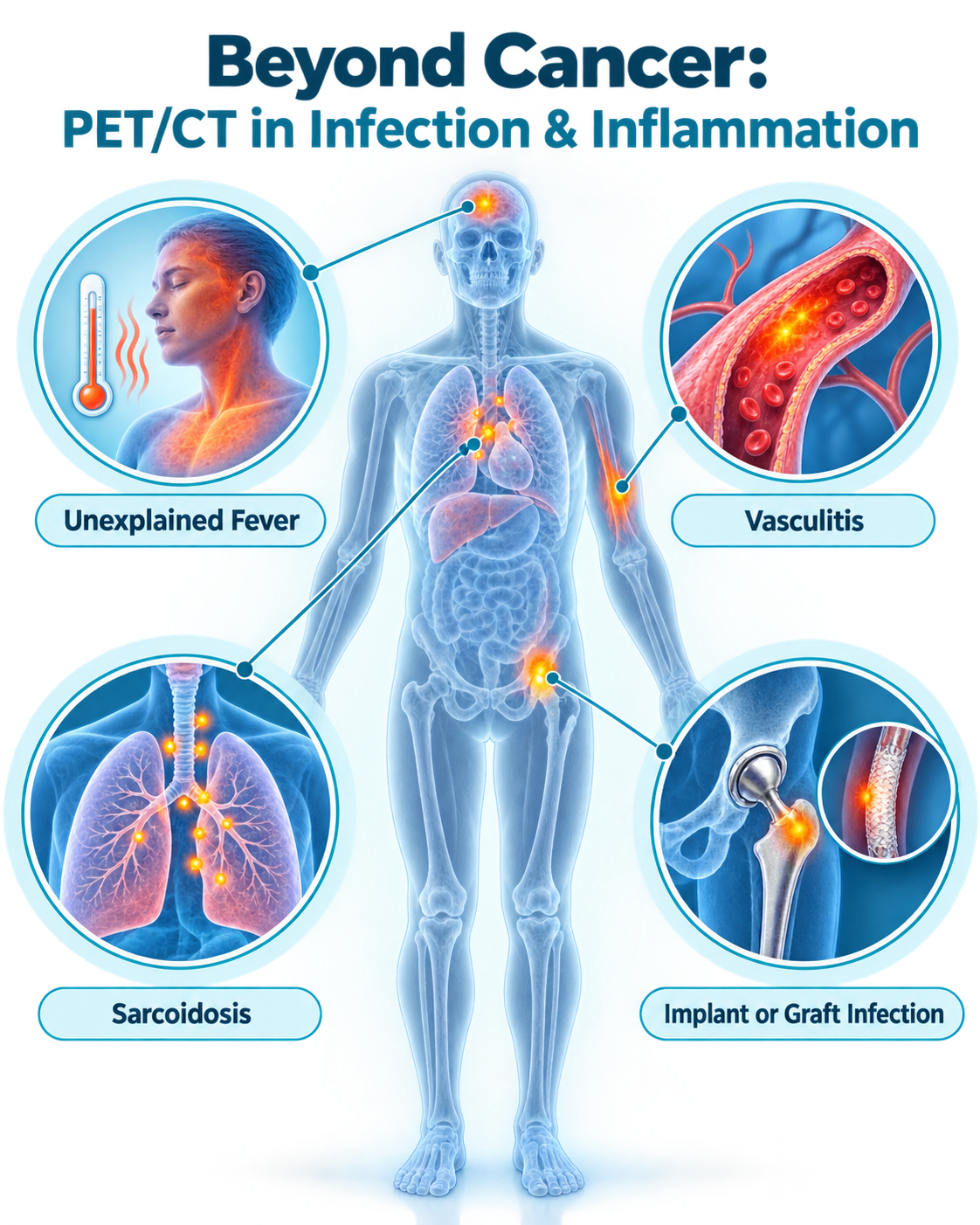
- PET/CT may help assess fever of unknown origin, blood-vessel inflammation, sarcoidosis and selected infections involving implants or vascular grafts.
- Specialised PET protocols may also evaluate heart-muscle viability and selected neurological conditions. These differ from routine oncology whole-body scans.
“The tracer must match the suspected disease. Choosing the right radiopharmaceutical is often more important than simply requesting a general PET scan,” states Dr. Gayana Shankaramurthy.
How Whole-Body PET Scans Help Diagnose and Stage Cancer
PET/CT may help assess whether a suspicious mass is metabolically active and whether disease is present in lymph nodes, bones or distant organs.
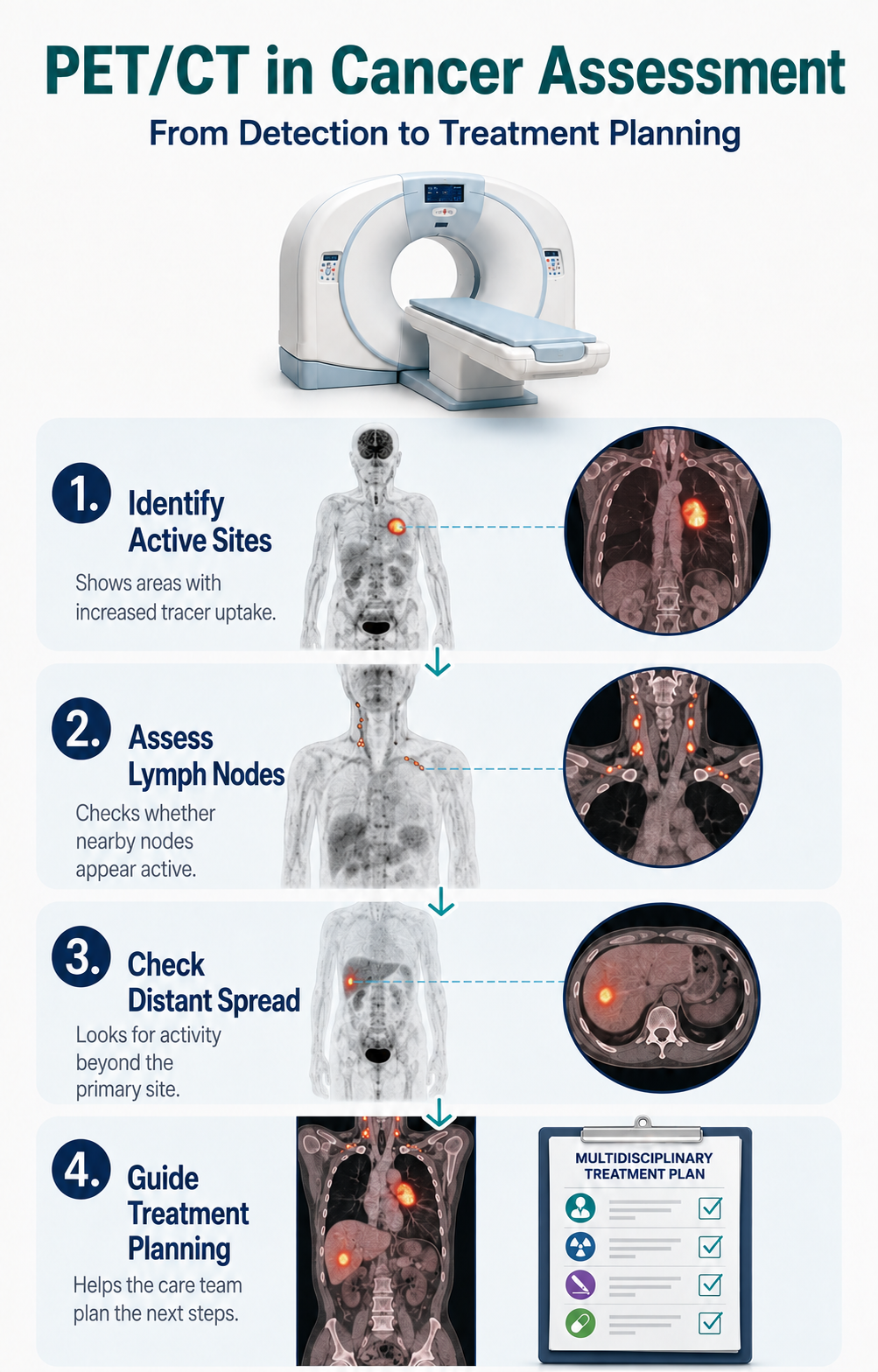
Once cancer’s confirmed, the scan may support staging — and staging shapes almost everything downstream: surgery, chemo, radiation, targeted therapy, or a combination.
Beyond that, it gets used to:
- Pick a good biopsy site
- Plan radiation treatment
- Set a baseline before starting therapy
- Track how well treatment is working
- Look into suspected recurrence
- Separate active disease from certain post-treatment changes
It’s not a replacement for biopsy, though — small or slow-growing tumours sometimes show limited uptake, and plenty of non-cancerous conditions may appear active.
Is whole-body PET/CT necessary for every patient with a suspected medical condition? Let’s discover when the scan may provide clinically useful information.
Who Should Get a Whole-Body PET Scan?
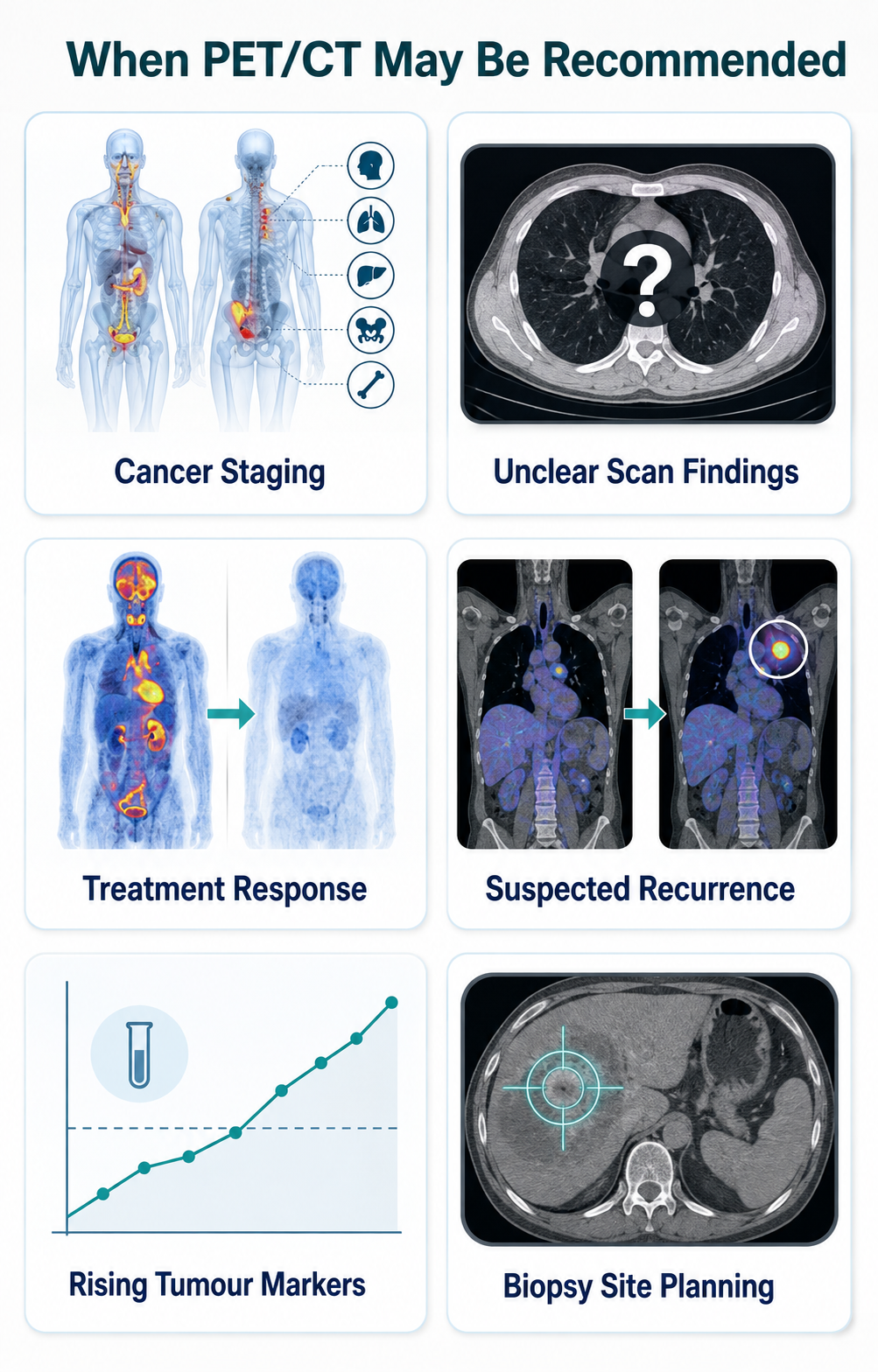
A whole-body PET scan may be advised when:
- A confirmed cancer requires staging
- Other imaging has produced an unclear finding
- Treatment response needs to be assessed
- Cancer recurrence is suspected
- Tumour markers are rising without a clear source
- A suitable biopsy site must be identified
- Systemic infection or inflammation is suspected
PET/CT is generally not recommended as a routine health-screening test for people without symptoms or a defined clinical concern. Incidental or false-positive findings may lead to unnecessary tests.
How does PET/CT differ from CT, MRI and other diagnostic scans? Let’s compare the information each test provides and when it may be recommended.
PET Scan vs Other Imaging Tests
PET, CT and MRI answer different questions. The best option depends on what the doctor needs to evaluate.
|
Test |
What it shows |
Common strength |
|
PET |
Metabolic or molecular activity |
Detects active disease and treatment response |
|
CT |
Detailed body structure |
Shows the size and location of abnormalities |
|
MRI |
Detailed soft tissues |
Useful for the brain, spine, liver and pelvis |
|
PET/CT |
Activity combined with anatomy |
Locates metabolically active findings precisely |
These tests often complement one another. CT may identify a mass, PET may reveal its activity and MRI may provide more local soft-tissue detail.
“More imaging does not always mean better care. The most useful test is the one that answers the specific clinical question while avoiding unnecessary investigations,” highlights Dr. Gayana Shankaramurthy.
Can food, exercise or medication affect the accuracy of a PET scan? Let’s explore the preparation steps that help produce reliable images.
How to Prepare for a Whole-Body PET Scan
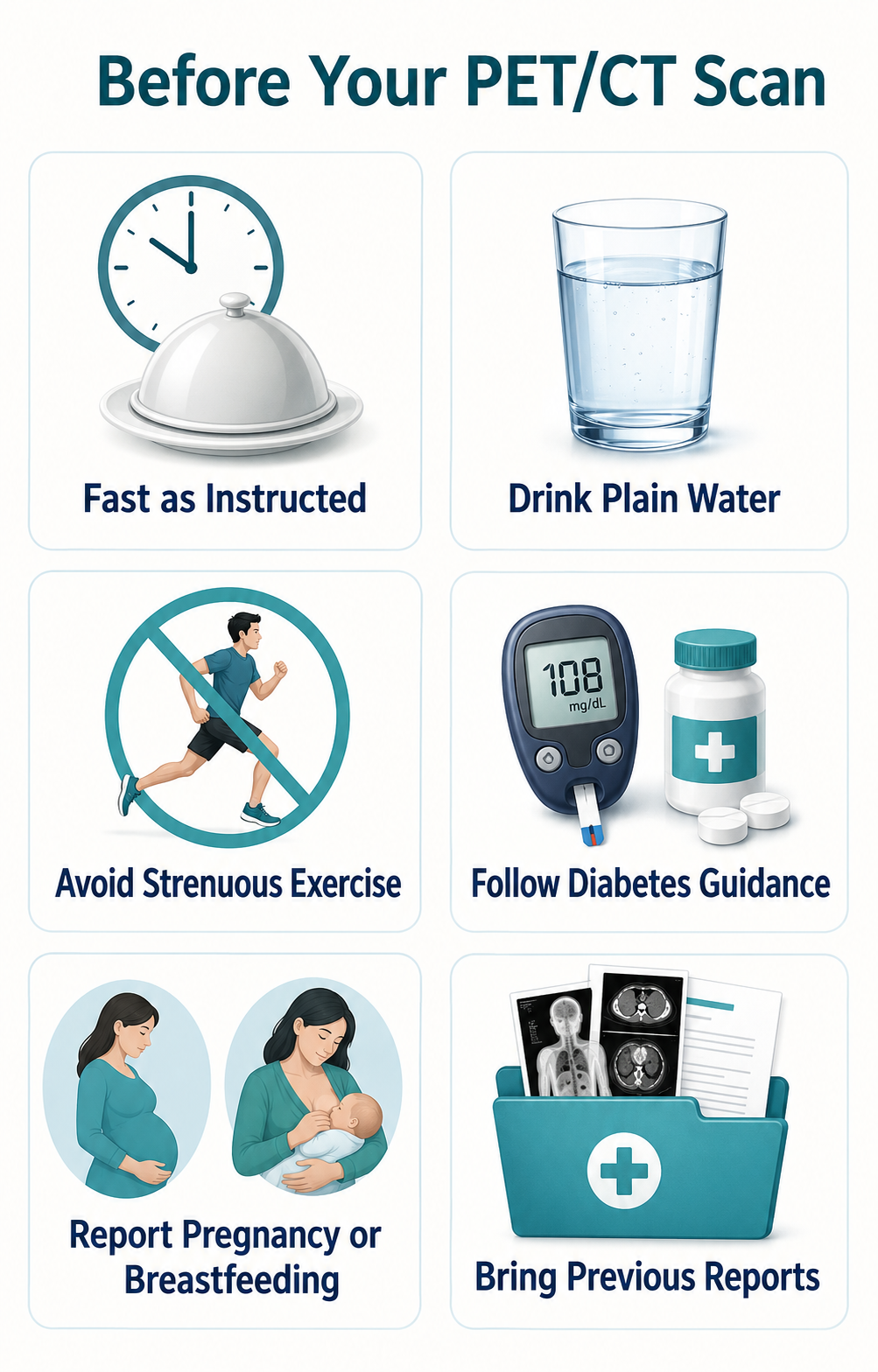
Patients undergoing an FDG PET/CT may be instructed to:
- Avoid food for several hours
- Drink only plain water
- Avoid sugary drinks and chewing gum
- Avoid strenuous exercise for about 24 hours
- Inform the team about diabetes and current medicines
- Report pregnancy or breastfeeding
- Mention recent surgery, infection or vaccination
- Carry previous scans, reports and pathology results
Blood glucose is usually checked before FDG is administered. Patients with diabetes need individual instructions for meals, insulin and medication.
After injection, the patient rests quietly. Walking, talking or muscle tension can cause unwanted tracer uptake.
Are you concerned about radiation exposure during a whole-body PET scan? Let’s discuss its safety, potential risks and necessary precautions.
Is a Whole-Body PET Scan Safe?
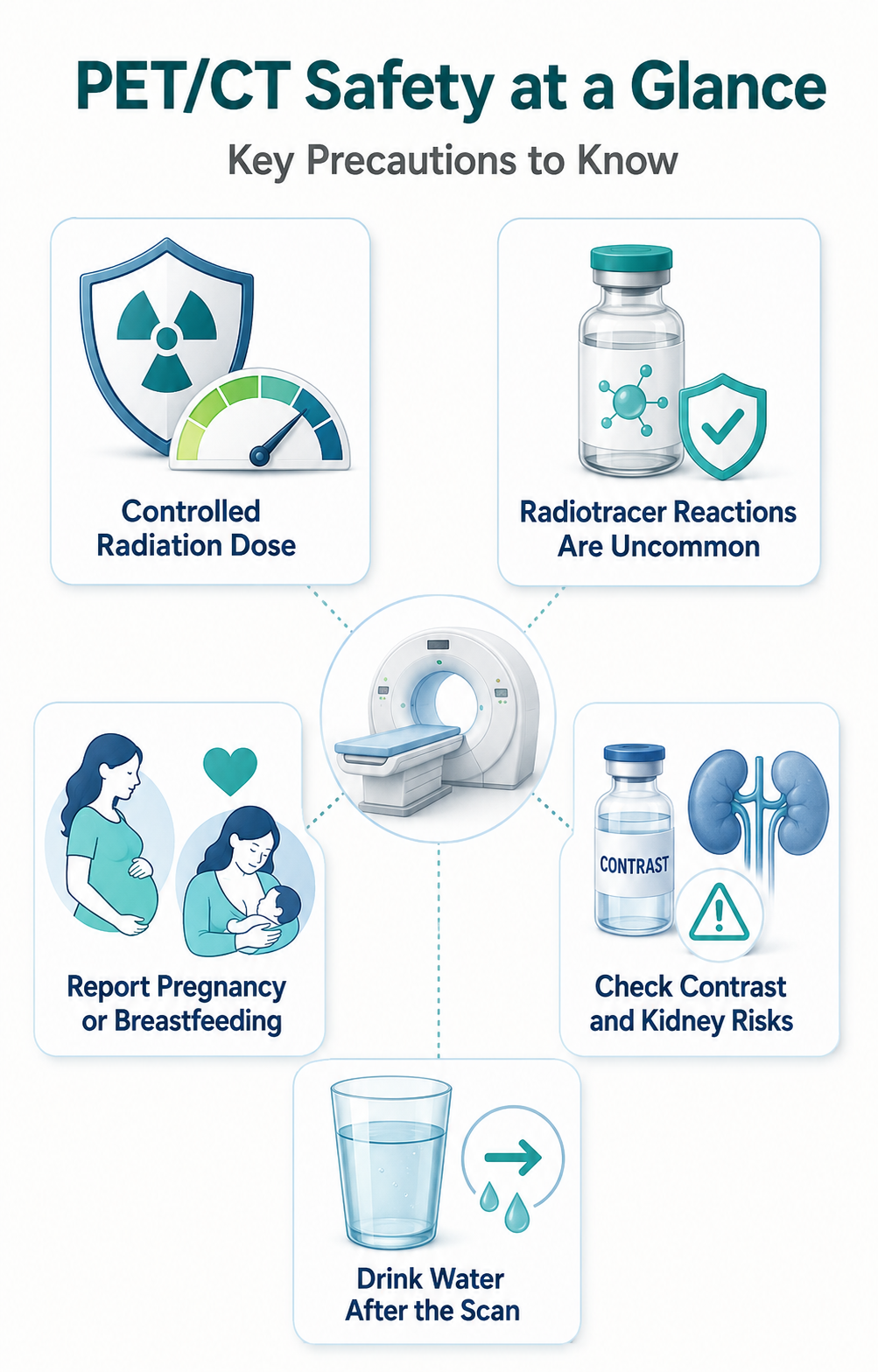
Generally, yes — when it’s actually medically recommended. The radiation dose, from both the tracer and the CT portion, is kept tightly controlled, just enough to get a usable image.
- Limited Radiation Exposure — the imaging team uses the lowest radiation dose needed to produce clear images.
- Minimal Side Effects — reactions to the tracer itself are rare; some people feel a brief pinch or discomfort where the injection went in.
- Contrast Precautions — if CT contrast is part of the plan, allergies and kidney function get checked first.
- Pregnancy and Breastfeeding — worth telling the team upfront if either applies, or might apply.
- After-Scan Care — drinking water and urinating often afterward helps flush the tracer out faster.
Knowing the risks and benefits ahead of time tends to make the whole process feel less daunting. Speak with a nuclear medicine specialist about anything specific to you.
Frequently Asked Questions
Can a whole-body PET scan detect every cancer?
PET/CT may identify suspicious metabolic activity, but it cannot confirm colorectal cancer on its own. Colonoscopy and biopsy are generally required for diagnosis.
Does increased uptake always mean cancer?
Not at all — infection, inflammation, healing tissue, even certain normal organs may also show increased uptake.
Can PET/CT confirm cancer without a biopsy?
It can locate suspicious areas and guide biopsy, but tissue testing is often required for confirmation.
Why must I avoid exercise before the scan?
Exercise increases glucose use by muscles, which may interfere with FDG distribution and image interpretation.
Can PET/CT detect cancer in the bones?
Often, yes — though how reliable it is depends on the tumour type and which tracer’s being used.
Can PET/CT show whether treatment is working?
Yes — a rise or fall in tracer uptake is one of the ways doctors gauge how well treatment’s actually working.