Dr. Gayana Shankaramurthy

About Us

Dr. Gayana Shankaramurthy – Expert in Nuclear Medicine & Theranostics


Dr. Gayana Shankaramurthy is a leading expert in Nuclear Medicine and Theranostics, recognized for advancing precision oncology through hybrid molecular imaging and targeted radionuclide therapies. At KIMS Hospitals, Bengaluru, Dr. Gayana Shankaramurthy serves as Director, Nuclear Medicine and Theranostics. In her previous role at Fortis Hospitals, Bengaluru, Dr. Gayana Shankaramurthy served as the Additional Director & Head of Nuclear Medicine and Theranostics, where she founded and structured the entire department, including advanced PET/CT services and radionuclide therapy units. Her clinical expertise spans reading PET/CT, SPECT/CT, Nuclear Cardiology, and advanced molecular imaging scans. She is an expert in Theranostics, delivering targeted radio nuclear therapies for thyroid, prostate, neuroendocrine, liver cancers and other cancers.

Over her career, Dr. Gayana Shankaramurthy has interpreted 40,000+ PET/CT scans, 45,000+ gamma camera studies, and treated 1000+ patients with advanced theranostic procedures including Lu-177/Ac-225 DOTATATE, Lu-177/Ac-225 PSMA, I-131 therapy, TARE, and MIBG therapy. Her work combines diagnostic accuracy with evidence-based, minimally invasive radionuclide treatments that significantly improve patient outcomes.

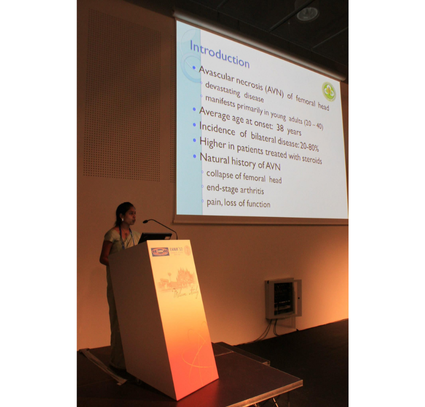
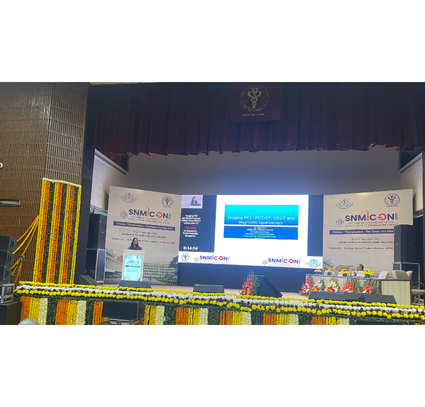
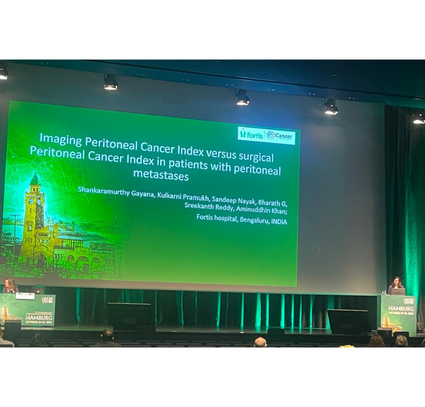
Academically driven, Dr. Gayana Shankaramurthy has numerous national and international publications and has presented award-winning research at SNMMI (USA) and EANM (Europe). As a faculty member, reviewer, and committee leader, Dr. Gayana Shankaramurthy actively shapes the growth of Nuclear Medicine in India. Her work reflects innovation, clinical excellence, and deep commitment to patient-centric care.

  • 12+

    Years of Experience

  • 40K+

    PET/CT scans

  • 45K+

    Gamma Camera Studies

  • 1K+

    Patients with Advanced Theranostic Procedures

Our Healthcare Services

Advanced Healthcare Services for Every Patient Need
Advanced Healthcare Services for Every Patient Need
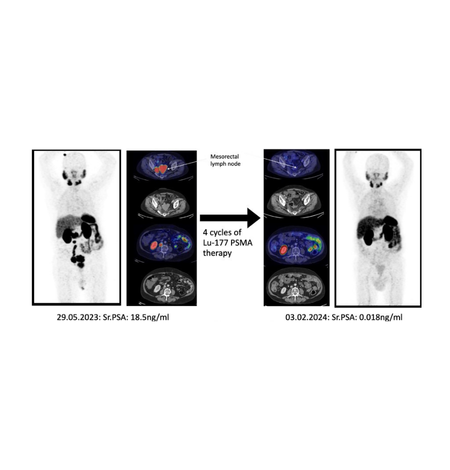
Theranostics in Prostate Cancer
Advanced Healthcare Services for Every Patient Need
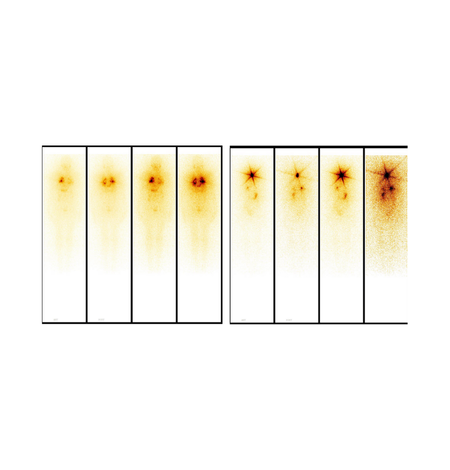
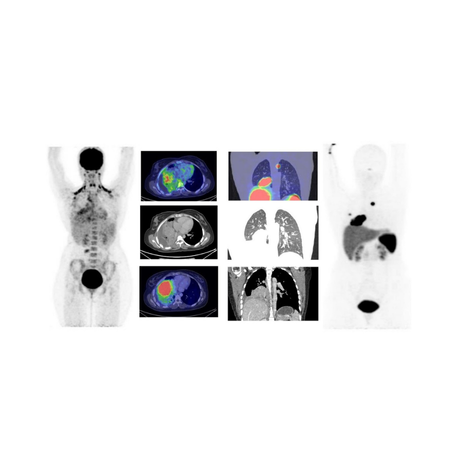
Theranostics in NET
Advanced Healthcare Services for Every Patient Need
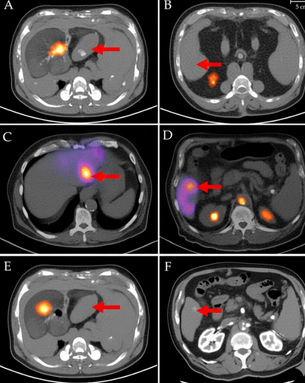
I-131 Therapy in Thyroid Cancer
Advanced Healthcare Services for Every Patient Need
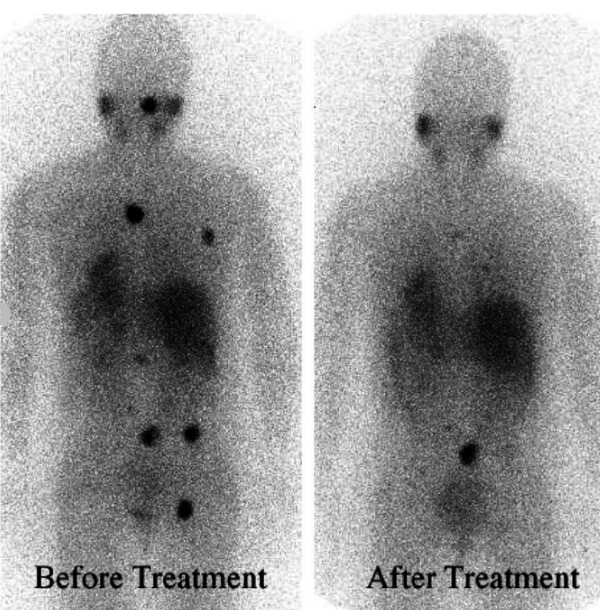
TARE (Transarterial Radioembolization)
Advanced Healthcare Services for Every Patient Need
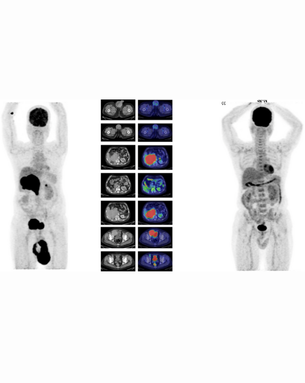
MIBG Therapy
Advanced Healthcare Services for Every Patient Need
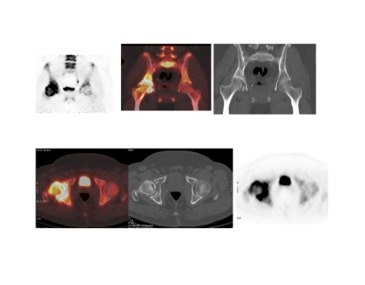
PET/CT (Oncological & Non-Oncological)
Advanced Healthcare Services for Every Patient Need
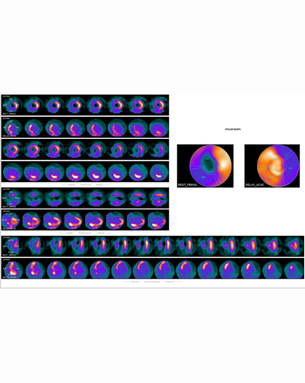
Nuclear Cardiology
Advanced Healthcare Services for Every Patient Need
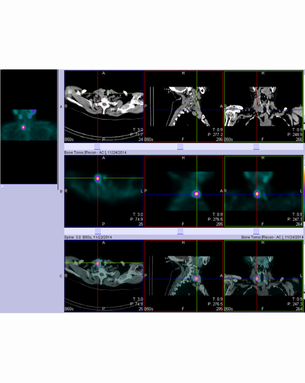
SPECT/CT
Advanced Healthcare Services for Every Patient Need
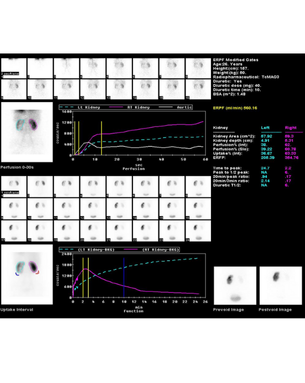
Renal Scintigraphy
Advanced Healthcare Services for Every Patient Need
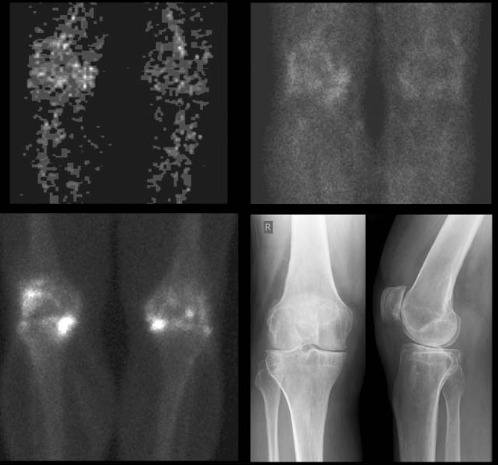
Imaging for Avascular Necrosis
Advanced Healthcare Services for Every Patient Need
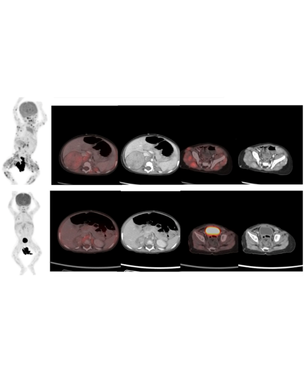
Pediatric Oncology
Advanced Healthcare Services for Every Patient Need
Radiosynovectomy

Dr. Gayana Shankaramurthy

About Doctor

Call
Video Call
In person
Dr. Gayana Shankaramurthy
Education:MBBS – Government Medical College, Mysore, MD (Nuclear Medicine) – PGIMER, Chandigarh, FEBNM (Barcelona, 2022), MICNM (New Delhi, 2022)
Experience:12.0 Years
Licence No.:KMC 83786
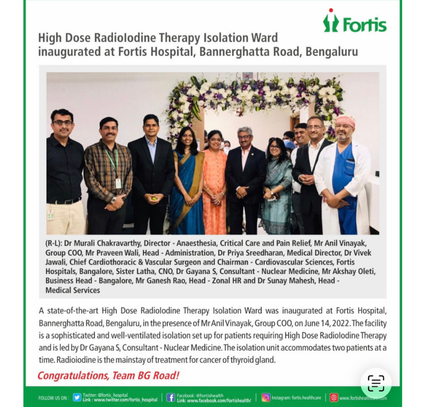
Dr. Gayana Shankaramurthy is an accomplished Nuclear Medicine and Theranostics specialist with extensive clinical, academic, and leadership experience. She currently serves as Director & Head, Nuclear Medicine and Theranostics at KIMS Hospitals, Bengaluru, where she developed the department, including isolation wards for radionuclide therapies. Previously, she was Additional Director & Head, establishing the department and therapy facilities. Over her career, Dr. Shankaramurthy has reported 40,000+ PET/CT scans, 45,000 gamma camera studies, and treated 1000+ patients with theranostic procedures such as I-131 therapy, Lu-177/Ac-225 DOTATATE and PSMA ligand therapy, TARE, and I-131 MIBG therapy. A PGIMER, Chandigarh graduate, she holds gold and silver medals and has presented research internationally at SNMMI (USA) and EANM (Europe). Her expertise spans oncology, cardiology, musculoskeletal imaging, and non-oncological nuclear medicine. Dr. Shankaramurthy is committed to advancing precision oncology, hybrid molecular imaging, and targeted radionuclide therapies, serving as a speaker, researcher, reviewer, and advisory committee member. She is driven by innovation, safety, empathy, and compassionate care, firmly believing that cancer can be effectively treated when diagnosed and managed appropriately.

Testimonials

What our Patients says about us

Case 1 – Prostate Cancer. My father, aged 83, a patient with prostate cancer, had severe issues with frequent bowel movements (more than 10 per day), along with occasional blood and mucus in the stool. He also had low hemoglobin levels (below 9). A PSMA PET scan showed significant lymph node growth. All conventional treatments including abiraterone, hormonal therapy, salvage radiotherapy, and prostatectomy had been exhausted. Chemotherapy was ruled out due to his advanced age. He was treated with four cycles of Lu-177 therapy under Dr. Gayana. He showed remarkable improvement, with PSA levels reducing from 32 to 0.02 and significant shrinkage of lymph nodes. There were minimal to no side effects. His quality of life improved substantially, with regulated bowel movements and stabilized hemoglobin levels. We are thankful to Dr. Gayana and her team for their care and support. - Sachin

Case 2 – Metastatic Follicular Thyroid Carcinoma I am deeply grateful for the exceptional care I received from Dr. Gayana S., Nuclear Medicine Physician at Fortis Hospital, Bangalore. From the first consultation, her expertise and clear explanations made a complex condition easier to understand. Her compassionate and patient approach provided immense reassurance during a stressful time. She always listened carefully and addressed all concerns thoughtfully, making me feel valued and confident about my treatment. I highly recommend Dr. Gayana S. to anyone seeking expert and compassionate nuclear medicine care. — Mr. B. Mansingh

Case 3 – Advanced Thyroid Cancer This is an appreciation note for Dr. S. Gayana regarding the treatment of my mother, Mrs. Vijayalakshmi D. She was diagnosed with thyroid cancer in January 2024, which had already spread to multiple organs and affected her skeletal system, particularly the back and hips, causing pain and restricted movement. Following surgeries and radiation therapy at Fortis Hospital, Bannerghatta Road, Dr. Gayana initiated radioiodine therapy. She explained the treatment process, intervals, and precautions clearly and patiently. After three sessions, my mother is now doing well and is able to manage her daily activities independently. We sincerely appreciate Dr. Gayana and the oncology team at Fortis. — P. Dwarapu

Media Pictures

media
media
media
media
media
media
media
media
media

Frequently Asked Questions

Need Answers? Find them here...

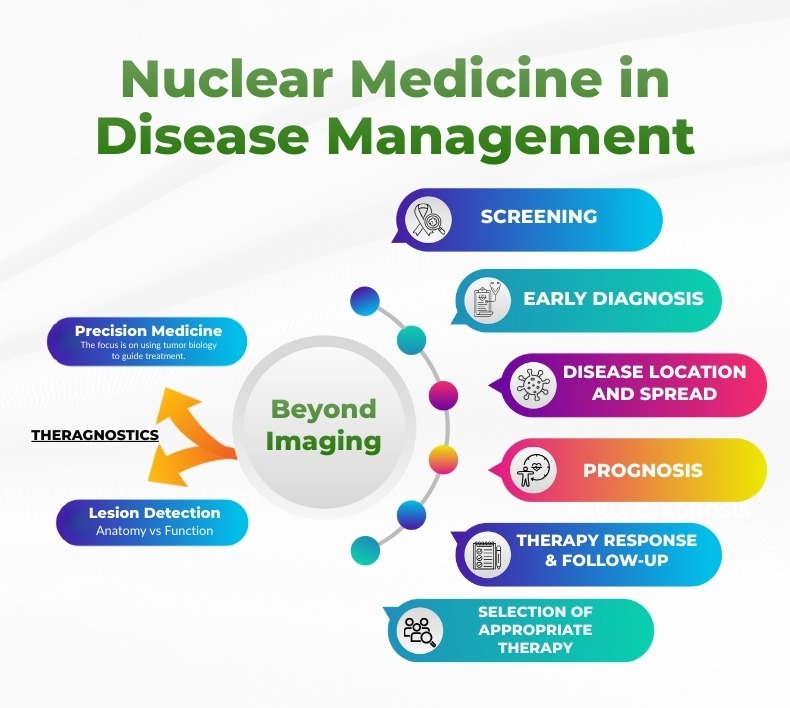
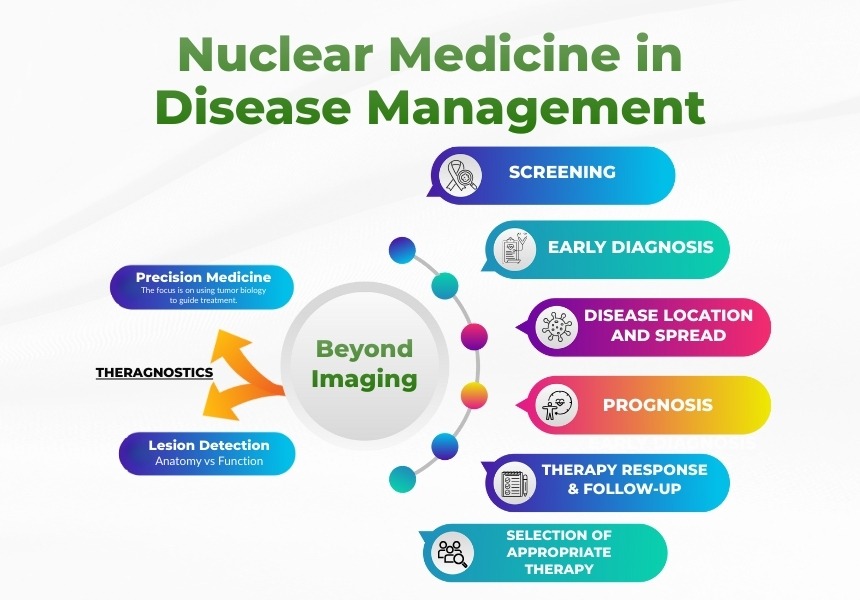
Nuclear Medicine is a specialized branch of medical imaging and therapy that uses small amounts of radioactive substances to diagnose and treat diseases at a molecular level. Unlike conventional imaging, it evaluates organ function, metabolism, and disease activity rather than just structure. This enables early detection of cancer, heart disease, infections, and neurological conditions. Nuclear Medicine also offers targeted treatments, known as theranostics, which precisely deliver therapy to diseased cells while sparing healthy tissue.

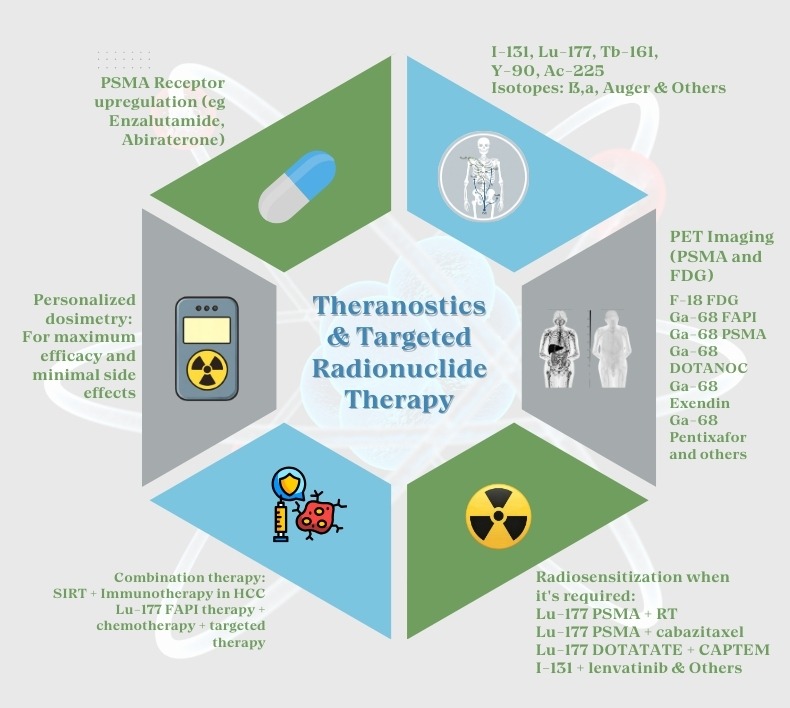
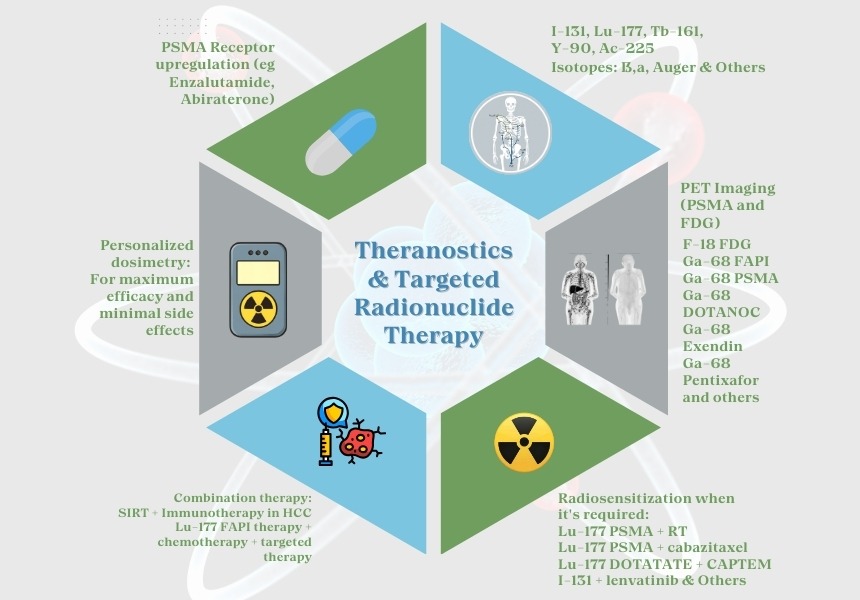
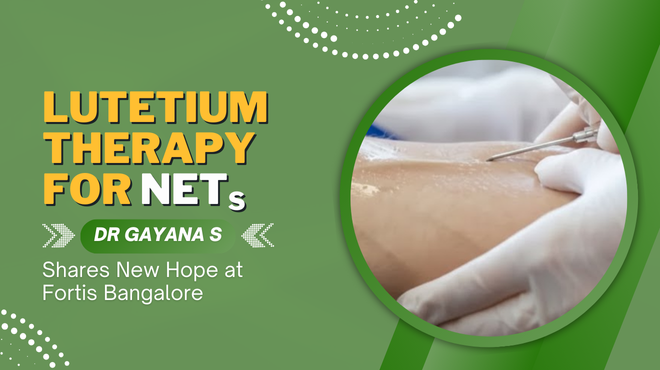
Theranostics is an advanced approach that combines diagnosis and treatment using the same molecular target. A diagnostic scan identifies disease-specific receptors, followed by targeted radionuclide therapy to treat the condition. It is especially effective in cancers such as thyroid cancer, neuroendocrine tumors, and prostate cancer. Theranostics allows personalized treatment planning, improved outcomes, reduced side effects, and real-time assessment of treatment response, making it a cornerstone of precision oncology.

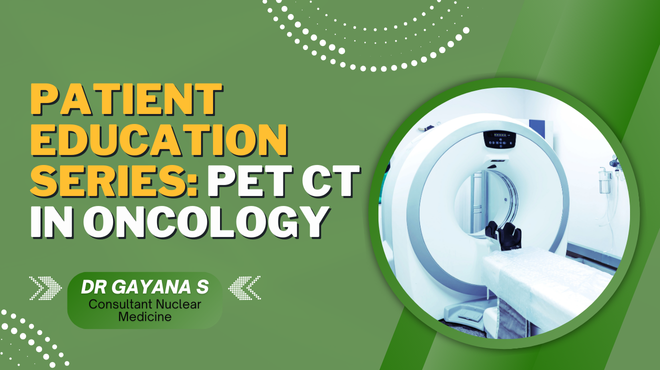
PET/CT scans are widely used in oncology for cancer detection, staging, restaging, and response assessment. They are also valuable in evaluating infections, inflammatory conditions, neurological disorders, and certain cardiac conditions. PET/CT provides highly sensitive metabolic information combined with anatomical detail, allowing accurate diagnosis even before structural changes appear. This enables clinicians to make informed decisions regarding treatment planning, therapy monitoring, and long-term disease management.

Nuclear medicine procedures are extremely safe when performed under expert supervision. The radioactive tracers used are administered in very small, controlled doses and are designed to decay naturally or exit the body quickly. Therapies are precisely targeted to diseased tissues, minimizing exposure to healthy organs. Strict international safety protocols are followed, including isolation facilities where required. Dr. Gayana Shankaramurthy ensures patient safety, comfort, and compliance with global radiation safety standards at every step.

Radionuclide therapy is effective for several cancers, including thyroid cancer, neuroendocrine tumors, prostate cancer, liver tumors, and select pediatric tumors. Treatments such as I-131 therapy, Lu-177 or Ac-225 DOTATATE, PSMA therapy, TARE, and MIBG therapy target cancer cells precisely using molecular pathways. These therapies are particularly beneficial for advanced, metastatic, or recurrent cancers, offering symptom relief, disease control, and improved quality of life with fewer systemic side effects.

Nuclear Cardiology focuses on evaluating heart function, blood flow, and myocardial viability using specialized imaging techniques. It helps detect coronary artery disease, assess heart muscle damage, and evaluate treatment effectiveness. These studies are non-invasive and highly accurate, allowing cardiologists to identify risk early and tailor treatment strategies. Nuclear cardiology plays a crucial role in preventing heart attacks, guiding interventions, and improving long-term cardiac outcomes, especially in patients with complex or silent heart disease.

Molecular imaging visualizes disease processes at a cellular and receptor level, often before symptoms or structural changes occur. Advanced tracers such as PSMA, DOTANOC, FAPI, and others allow precise identification of cancer type, extent, and biological behavior. This level of accuracy helps clinicians choose the most effective therapy, avoid unnecessary procedures, and monitor treatment response early. Molecular imaging is central to personalized medicine and significantly improves diagnostic confidence and treatment success.

SPECT/CT combines functional nuclear imaging with CT-based anatomical detail. It is commonly used for bone scans, cardiac imaging, infection localization, and organ function studies. While PET/CT offers higher sensitivity for many cancers, SPECT/CT remains highly valuable for specific clinical indications and is more widely available. Both modalities complement each other and are selected based on the patient’s condition, diagnostic requirement, and treatment planning needs.

A PET/CT scan is a comfortable and well-tolerated procedure. After receiving a small injection of a radioactive tracer, patients rest briefly before scanning. The scan itself is painless and typically takes 20–30 minutes. Patients are advised to remain still for accurate imaging. Dr. Gayana Shankaramurthy and her team ensure clear instructions, patient comfort, and safety throughout the process, addressing any concerns before and after the scan

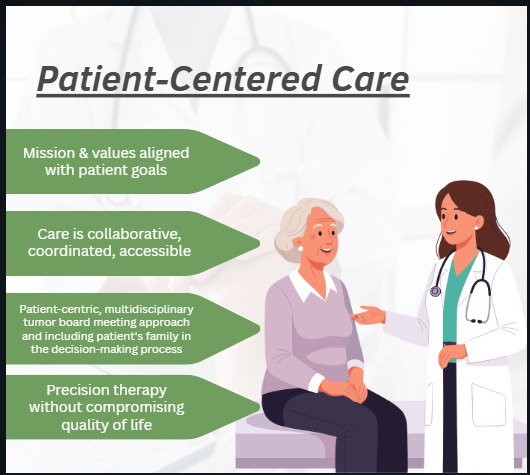
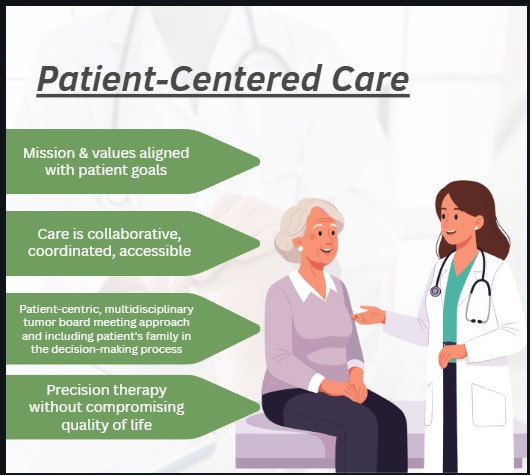
Theranostics is fundamentally different from chemotherapy. While chemotherapy affects both cancerous and healthy cells, theranostic treatments are highly targeted, delivering radiation directly to cancer cells through specific molecular receptors. This precision results in fewer side effects, better tolerance, and improved quality of life. Theranostics also allows imaging-based confirmation of treatment suitability before therapy, making it a personalized and evidence-driven approach to cancer care.

Yes, nuclear medicine is widely used beyond oncology. It plays an important role in diagnosing heart disease, kidney disorders, thyroid dysfunction, bone infections, joint conditions, and inflammatory diseases. Techniques like renal scintigraphy, radiosynovectomy, and infection imaging provide valuable functional insights that guide treatment decisions. Nuclear medicine offers accurate, non-invasive evaluation for many chronic and complex medical conditions, often when other imaging methods are inconclusive.

Dr. Gayana Shankaramurthy brings unmatched expertise, global academic recognition, and extensive hands-on experience in Nuclear Medicine and Theranostics. Having interpreted over 85,000 advanced imaging studies and treated more than 1,000 theranostic patients, she combines diagnostic precision with compassionate care. Her leadership in developing advanced nuclear medicine departments, commitment to patient safety, and active role in research and innovation make her one of Bengaluru’s most trusted specialists in this field.

Location & Location Map

No location data available for this clinic.

Working Hours

MONDAY9:00 AM - 3:00 PM
TUESDAY9:00 AM - 3:00 PM
WEDNESDAY9:00 AM - 3:00 PM
THURSDAY9:00 AM - 3:00 PM
FRIDAY9:00 AM - 3:00 PM
SATURDAY9:00 AM - 3:00 PM

Contact Us

Contact Us

  • Email: worldoftheranostics@gmail.com
  • Phone: 7483160232

Website Powered by icareheal

© Dr. Gayana Shankaramurthy 2025