Preparing for radioactive iodine treatment can raise questions about stopping thyroid tablets and managing fatigue during withdrawal. Recombinant TSH, also called rhTSH or thyrotropin alfa, offers an alternative for suitable patients by stimulating remaining thyroid tissue while thyroid hormone replacement continues.
Dr. Gayana Shankaramurthy, a leading Nuclear Medicine Physician in Bangalore, states, “Choosing between recombinant TSH and hormone withdrawal requires a review of the treatment goal, disease extent and overall health. For suitable patients, rhTSH can provide the required stimulation while avoiding withdrawal-related hypothyroid symptoms.”
Clinical studies support recombinant TSH for selected thyroid-remnant ablation procedures and follow-up investigations. At World of Theranostics, Dr. Gayana Shankaramurthy provides specialist evaluation to help patients understand their preparation options. This blog explores how rhTSH works, its benefits, possible side effects and the factors that guide its use.
What Is Recombinant TSH?
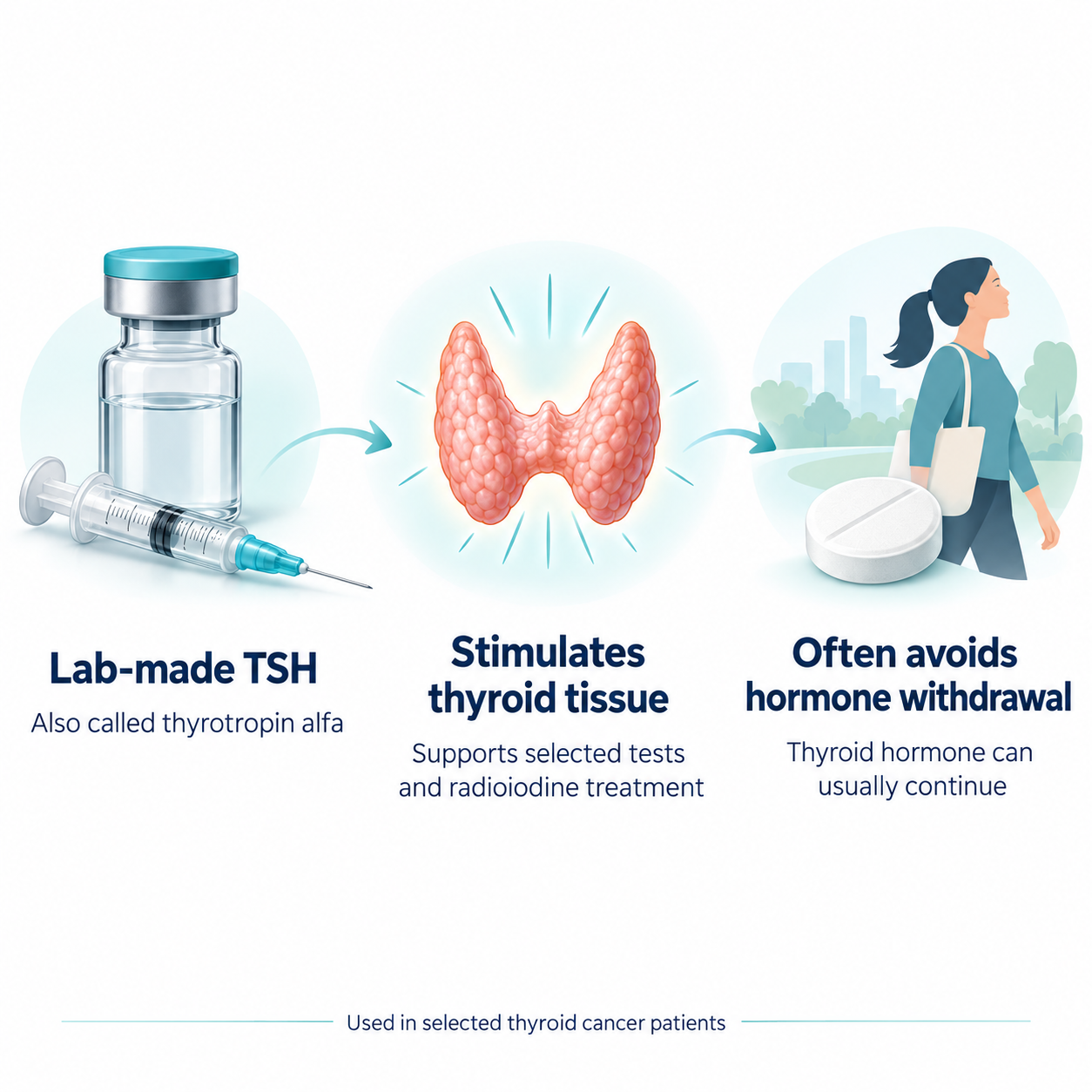
Recombinant TSH is a laboratory-produced version of human thyroid-stimulating hormone. It temporarily stimulates remaining thyroid cells of any after thyroid surgery.
The medicine is used for selected remnant-ablation procedures and stimulated thyroglobulin testing, with or without radioiodine imaging. It prepares tissue for assessment or treatment; it does not directly destroy cancer cells.
What changes after the injection? Let’s discover how thyroid cells respond.
How Does Recombinant TSH Work?
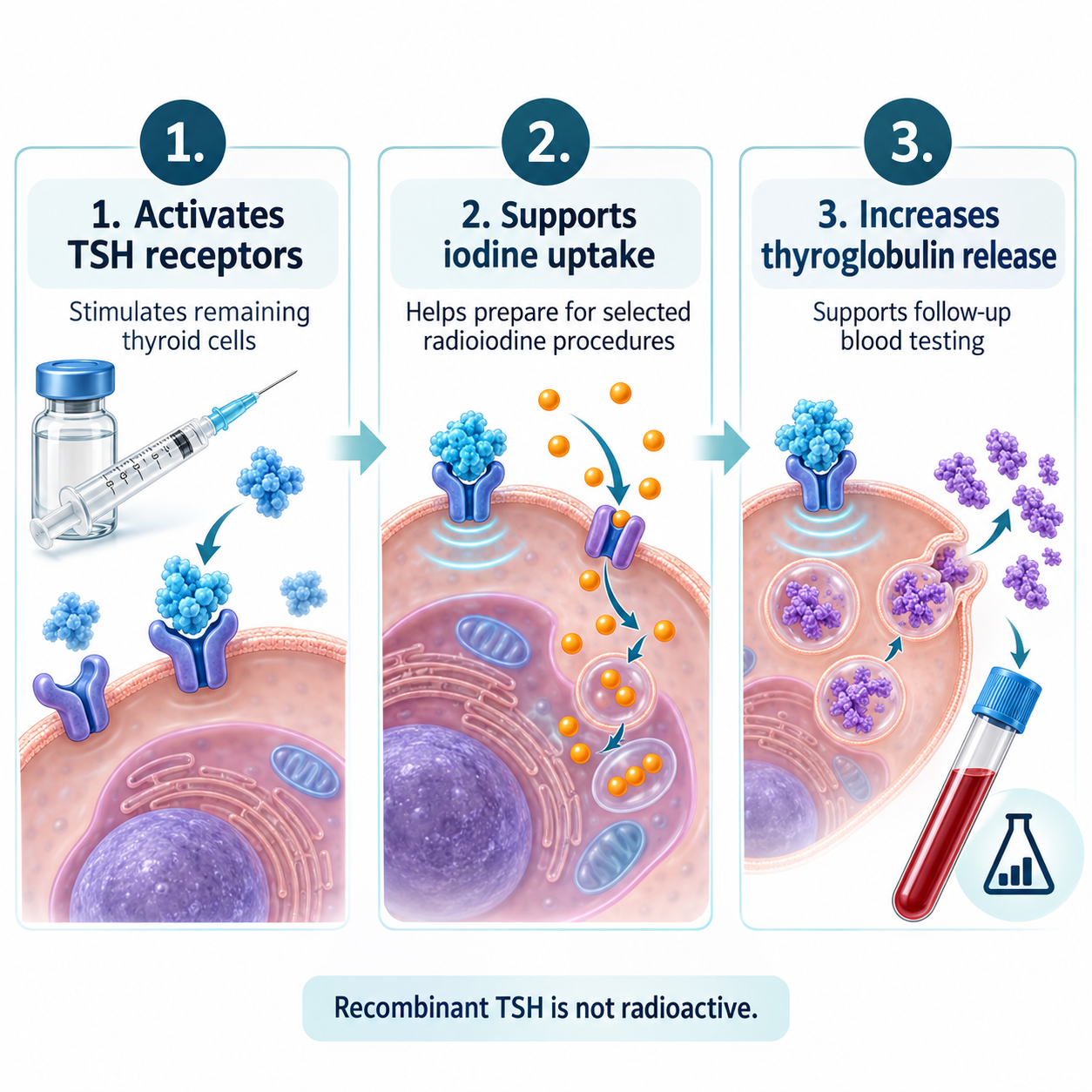
The recombinant TSH binds to TSH receptors present on the responsive thyroid cells. This stimulates iodine uptake and thyroglobulin synthesis.
This is dependent on the cells retaining these functions. Increasing the levels of TSH may not help all thyroid cancers take up iodine- so disease characteristics remain important when planning treatment.
The biological target matters when choosing preparation. Get in touch with a specialist for an individual assessment.
Can preparation be completed while continuing thyroid tablets? Let’s discuss where rhTSH may help.
Why Is Recombinant TSH Used in Thyroid Cancer Care?
Recombinant TSH allows suitable patients to continue levothyroxine while receiving temporary TSH stimulation. It can help avoid the fatigue, cold intolerance and reduced concentration associated with hormone withdrawal.
Clinical uses include:
- Preparing selected patients for thyroid-remnant ablation
- Stimulating thyroglobulin measurement
- Supporting selected follow-up radioiodine scans
Does avoiding hormone withdrawal affect treatment success? Let’s examine the evidence.
How Effective Is Recombinant TSH for Radioactive Iodine Treatment?
Recombinant TSH and thyroid hormone withdrawal have shown comparable remnant ablation efficacy in selected populations of differentiated thyroid cancer.
These findings apply to the patients studied. They should not be extended automatically to extensive metastatic disease, where preparation requires a separate assessment. Treatment effectiveness also depends on iodine avidity, preparation and the planned radioiodine activity.
Which health factors need attention before treatment? Let’s explore the main safety considerations.
Is Recombinant TSH Safe?
Recombinant TSH is usually well tolerated in appropriately selected patients. Further precautions may be needed in case of heart disease, kidney dysfunction or metastases near vital organs.
Some important reported risks are increased transient thyroid hormones, swelling of tumor deposits and rare neurological adverse effects. Patients who have higher risks may need observation or preventive treatment.
What might you notice after an injection? Let’s discuss the usual short-term effects.
What Are the Common Side Effects of Recombinant TSH?
Nausea and headache are the most common side effects. Other side effects may include:
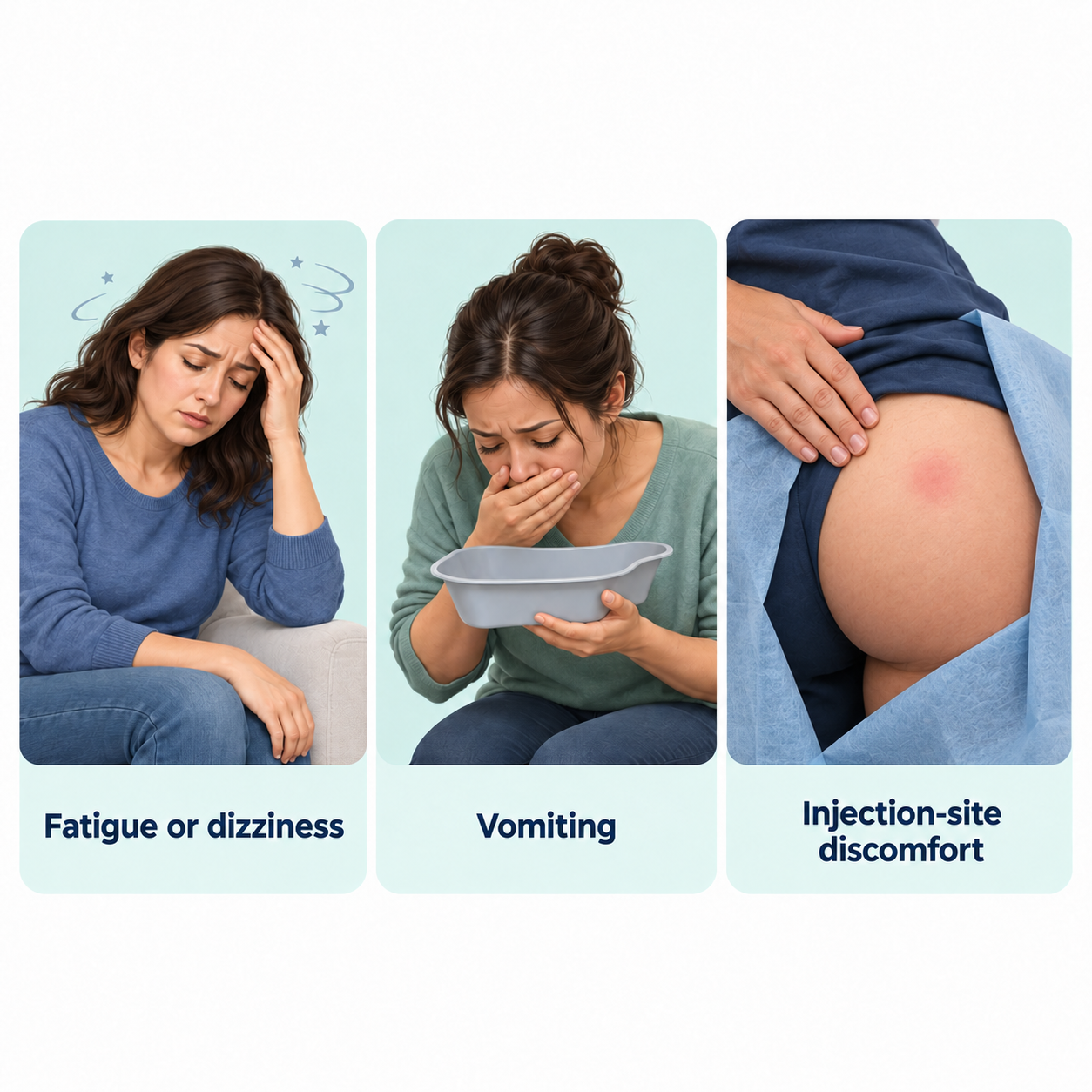
Symptoms are often temporary. Difficulty breathing, sudden weakness, swelling or other serious symptoms require immediate medical intervention. The care team should explain whom to contact after administration.
Which approach fits your treatment plan? Let’s compare their practical differences.
Recombinant TSH vs Thyroid Hormone Withdrawal: What Is the Difference?
|
Factor |
Recombinant TSH |
Hormone withdrawal |
|---|---|---|
|
TSH stimulation |
Provided through injections |
Rises after stopping thyroid hormone |
|
Levothyroxine |
Usually continued |
Temporarily stopped as prescribed |
|
Hypothyroid symptoms |
Generally avoided |
May occur during preparation |
|
Main considerations |
Suitability, availability and cost |
Suitability and tolerance of hypothyroidism |
Neither method is automatically preferable for every patient. Disease status, treatment goals and other illnesses guide the decision.
What does the injection schedule involve? Let’s explore the usual sequence.
How Is Recombinant TSH Administered?
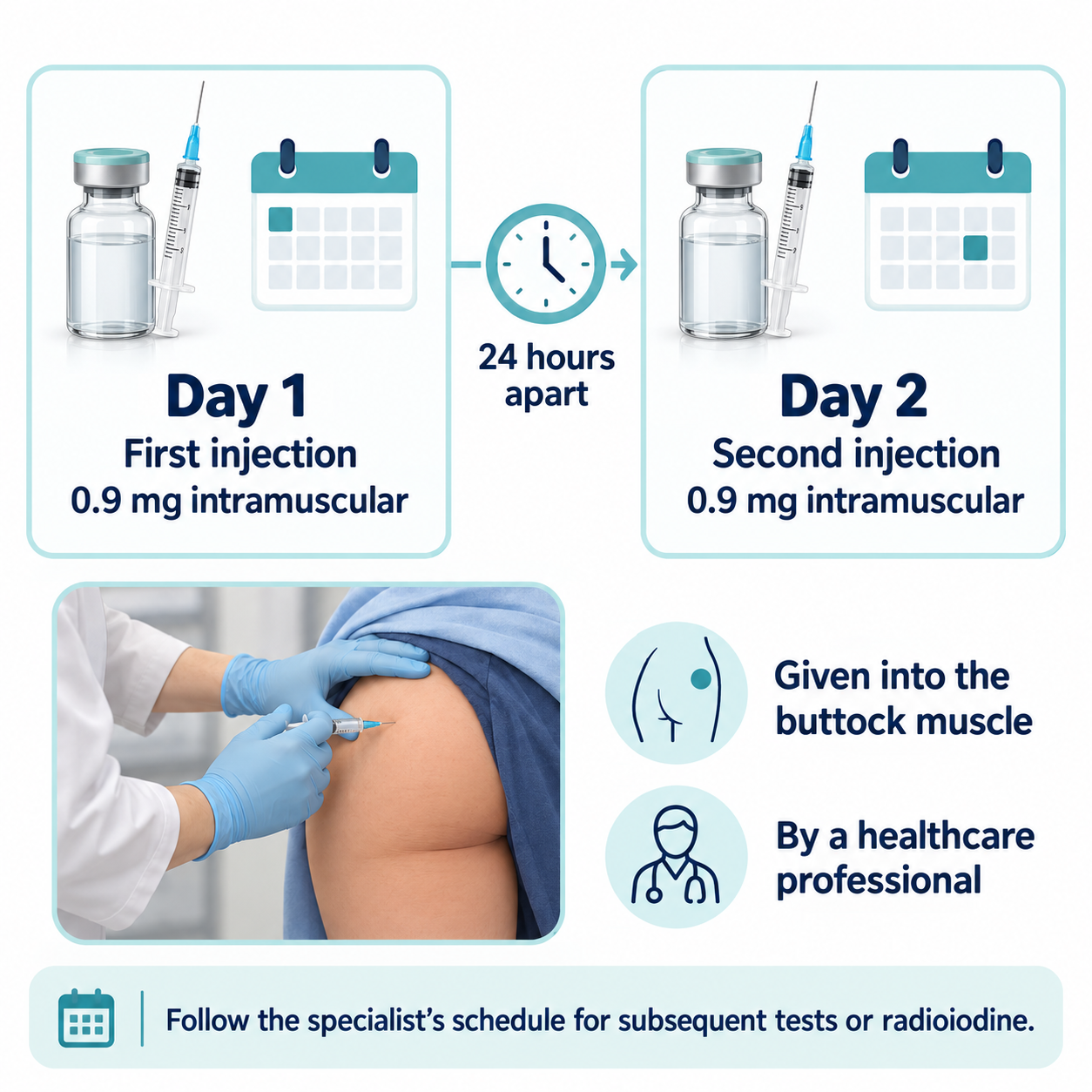
The standard regimen consists of two 0.9 mg intramuscular injections, given approximately 24 hours apart by a healthcare professional.
When radioiodine is planned, it is typically administered 24 hours after the second injection. Blood sampling and scan appointments follow the prescribed protocol. The team coordinates these timings; patients should follow their written schedule.
What should you organise before the first dose? Let’s review the practical essentials.
What to Expect Before and After Recombinant TSH Injections
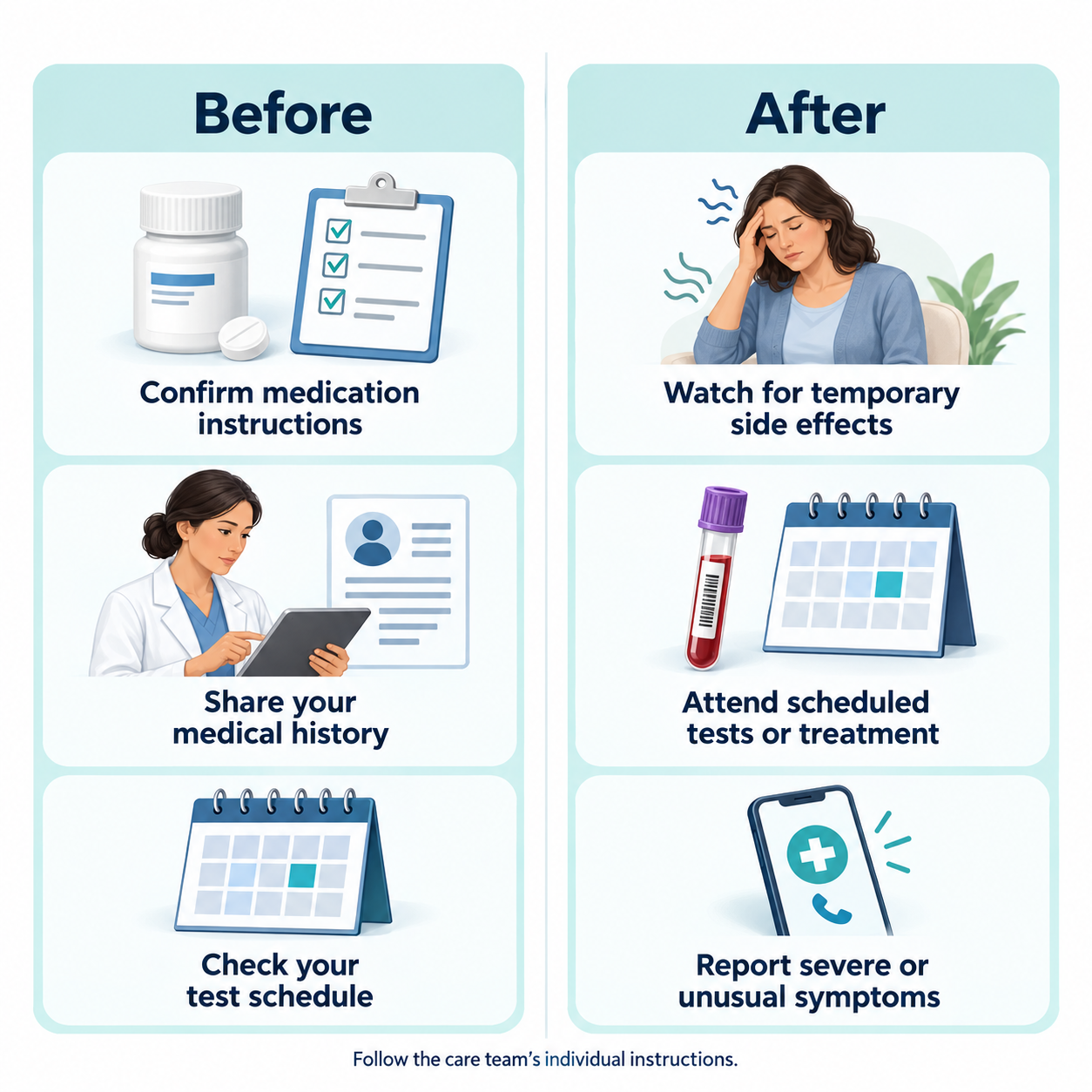
Before treatment, share your pathology reports, surgery details, medications, previous reactions, and relevant scans. Inform about kidney disease, heart disease, pregnancy, and breastfeeding.
Start the recommended low-iodine diet when applicable. After injections, follow up on all your appointments and report unexpected symptoms. The recombinant TSH is not radioactive, but safety measures for radioactivity should be considered when radioactive iodine is administered.
Could preparation have less impact on daily activities? Let’s discuss the potential benefit.
Can Recombinant TSH Improve Quality of Life During Thyroid Cancer Treatment?

Continuing thyroid hormone replacement helps patients avoid withdrawal-related hypothyroidism. This may preserve energy, concentration and the ability to manage work or family responsibilities.
Research supports better quality of life during rhTSH preparation compared with withdrawal in selected patients. Individual experiences still vary, particularly if other treatments or illnesses affect wellbeing.
Do longer-term findings support its use? Let’s look at what clinical research shows.
What Do Studies Say About the Safety and Effectiveness of Recombinant TSH?
The HiLo trial followed selected differentiated thyroid cancer patients after radioiodine ablation. At a median follow-up of approximately 6.5 years, recurrence outcomes supported rhTSH preparation as an alternative to withdrawal within the studied population. Patients with distant metastases were excluded.
Patients can explore Iodine-131 therapy for thyroid cancer and discuss the evidence with Dr. Gayana Shankaramurthy, an experienced Expert in Nuclear Medicine & Theranostics.
Research needs individual clinical interpretation. Reach out today to discuss the relevant preparation approach.
Frequently Asked Questions
Is recombinant TSH safe for everyone?
Each patient requires a personalized assessment. In case of heart disease, serious kidney damage, and some metastatic sites, additional precautions may be necessary.
How long does recombinant TSH stay in the body?
Its average elimination half-life is approximately 25 hours. Clearance and the duration of TSH elevation vary, especially with severe kidney impairment.
Is recombinant TSH better than thyroid hormone withdrawal?
It may help prevent hypothyroid symptoms and provide proper preparation for selected indications. The preferable approach depends on the specific disease and treatment purpose.
Does recombinant TSH have long-term side effects?
Most commonly seen side effects are temporary. However, serious adverse reactions are possible; the personal risk should be discussed before injection.
Can recombinant TSH be used before radioactive iodine therapy?
Yes, for some selected indications, like thyroid remnant ablation. The application for advanced and metastatic disease needs special assessment.
How many recombinant TSH injections are required?
The standard procedure involves two intramuscular injections with a time interval of about 24 hours.
Reference links:
https://pubmed.ncbi.nlm.nih.gov/30501974/
https://jnm.snmjournals.org/content/63/6/15N
Disclaimer: The information shared in this content is for educational purposes and not for promotional use.